Children in Viet Nam Face Increasing Climate Risks
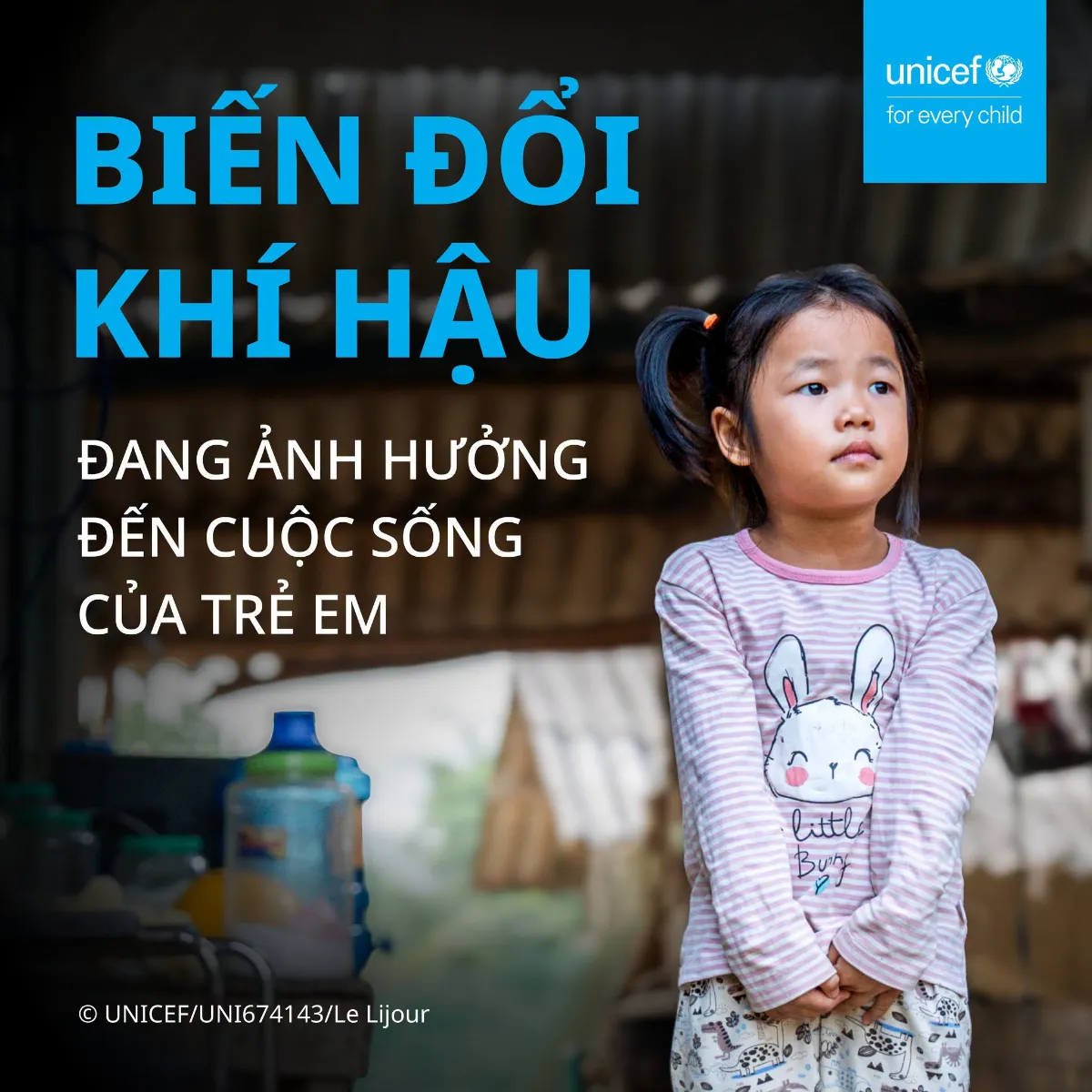
Children are among the groups most vulnerable to the impacts of climate change. In Viet Nam, events such as floods, storms, droughts and extreme heat pose significant challenges to children’s living conditions and development.
According to information shared by UNICEF Viet Nam, 22.9 million children in Viet Nam, equivalent to 82.2% of the total child population, are exposed to at least three climate-related hazards. In addition, approximately 24.2 million children are exposed to harmful levels of air pollution.
Notably, around 4.5 million children are affected by a combination of climate-related events, including tropical storms, droughts, heatwaves and extreme heat.
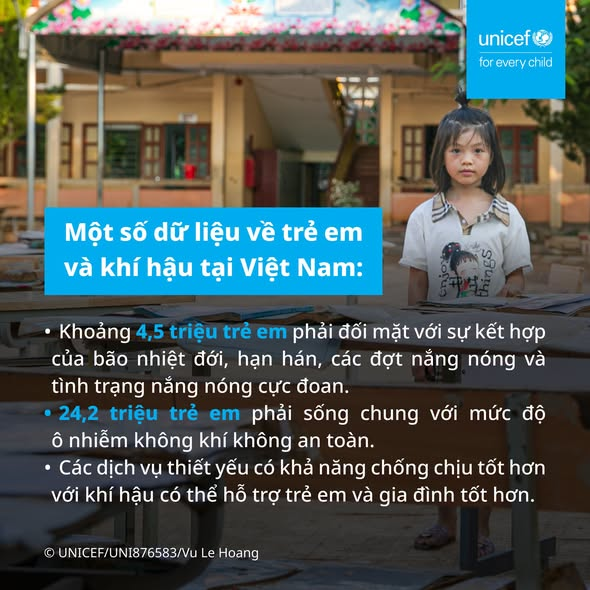
These figures show that children are not only affected by individual weather events but may also face multiple climate-related risks simultaneously.
How Does Climate Change Affect Different Aspects of Children's Lives?
The impacts of climate change extend beyond the natural environment, affecting essential conditions for children's overall development.
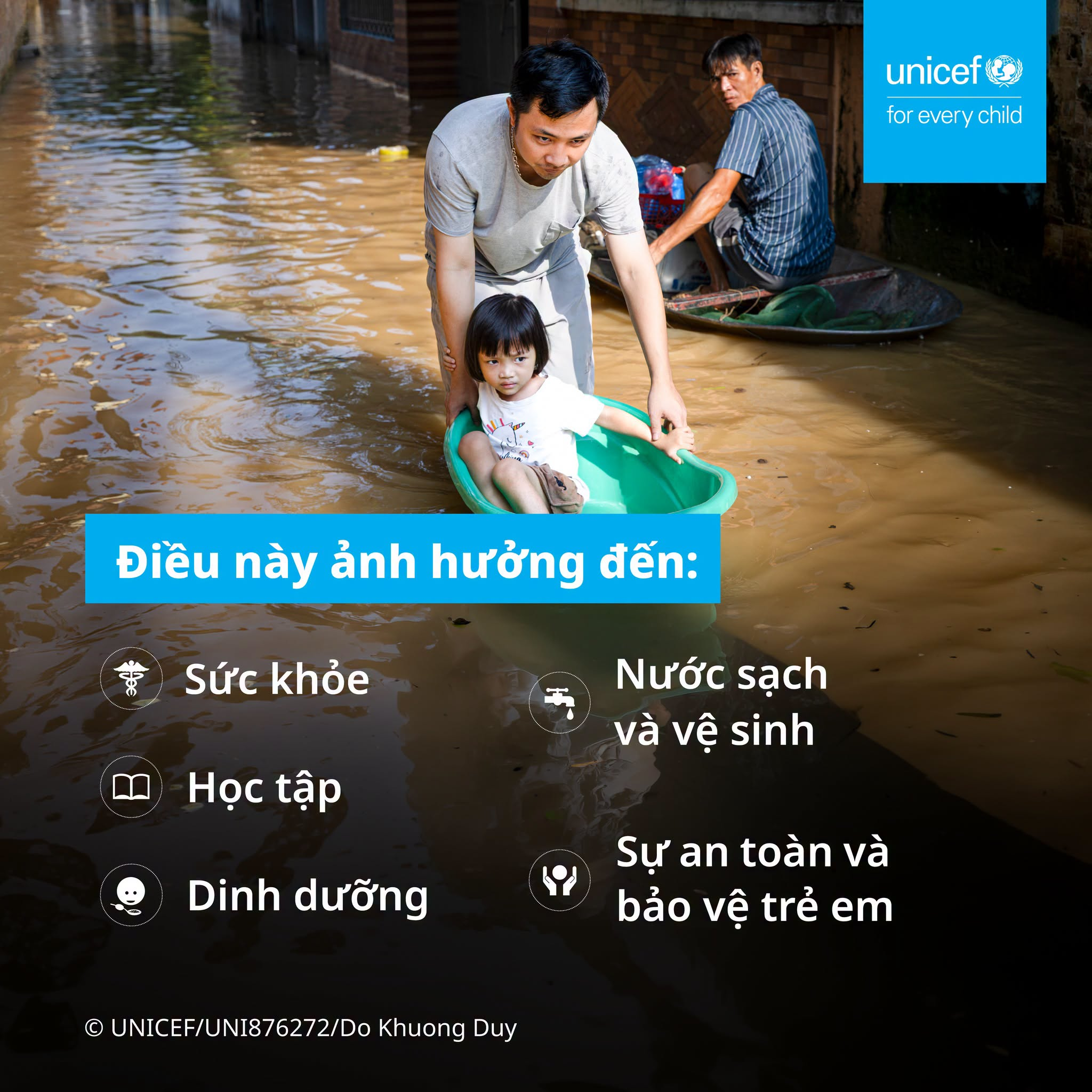
Health: Extreme heat, natural disasters and air pollution can increase health risks for children.
Nutrition: Changes in living conditions and access to essential resources can affect children's nutritional well-being.
Education: Storms, floods and extreme weather events can disrupt educational activities and affect children's learning opportunities.
Clean Water and Sanitation: Natural disasters and droughts can make it more difficult to access clean water and safe sanitation facilities.
Safety and Child Protection: Children may face greater risks when their families and communities are affected by natural disasters and climate change.
Strengthening Resilience to Protect Children
In response to these challenges, UNICEF highlights the importance of strengthening the climate resilience of essential services, including healthcare, education, water and social protection services.
When these services are better equipped to adapt to and respond to climate impacts, children and their families are better positioned to protect their health, maintain access to education and sustain their livelihoods when disasters occur.
Protecting children from climate change is therefore not only an environmental issue, but also a matter of safeguarding children's rights and building a sustainable future.
Every child has the right to live in a clean, safe and sustainable environment. Making this right a reality requires joint efforts from governments, social organizations, businesses and communities to build essential service systems that are more resilient to climate change.
References
- UNICEF Viet Nam I https://www.facebook.com/unicefvietnam/posts/pfbid0AjPVVD8w67ihHukMXihVMYnM3d78fpWFBCvERnniVW3ysniwJ8NdZ2QGobA3RFial I 2026-10-03