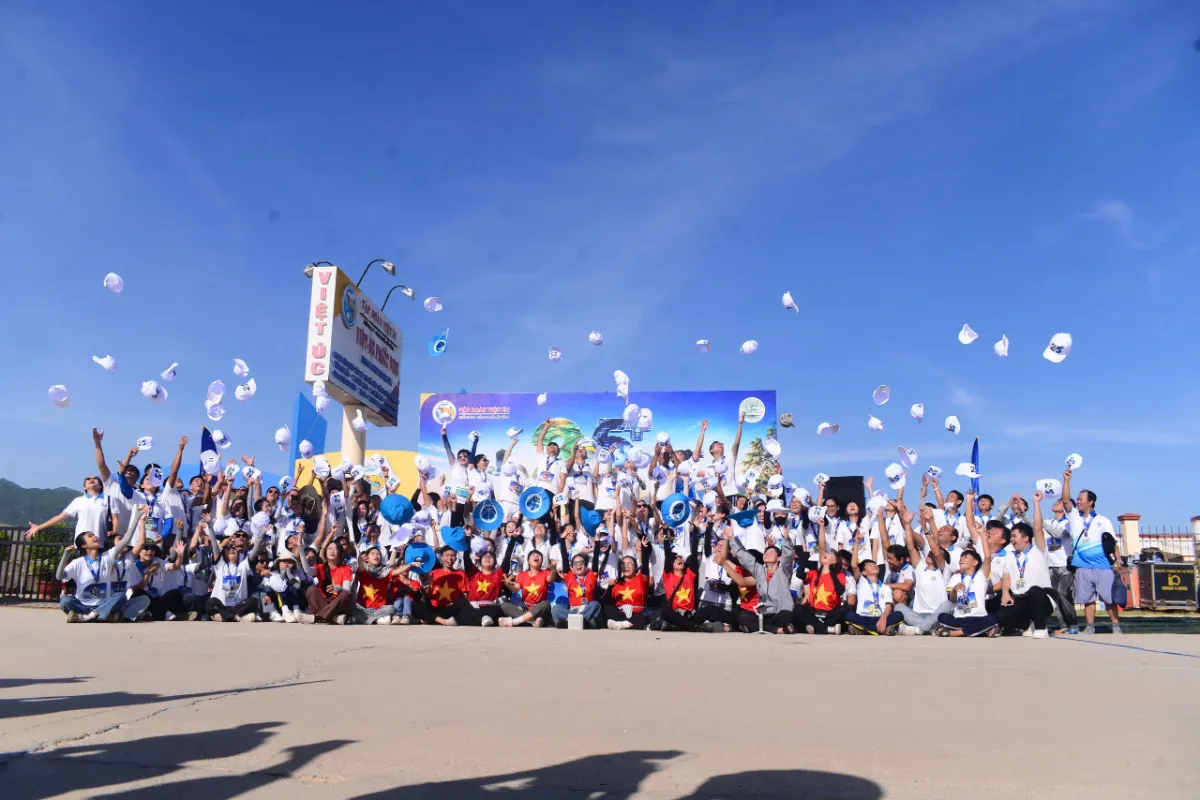
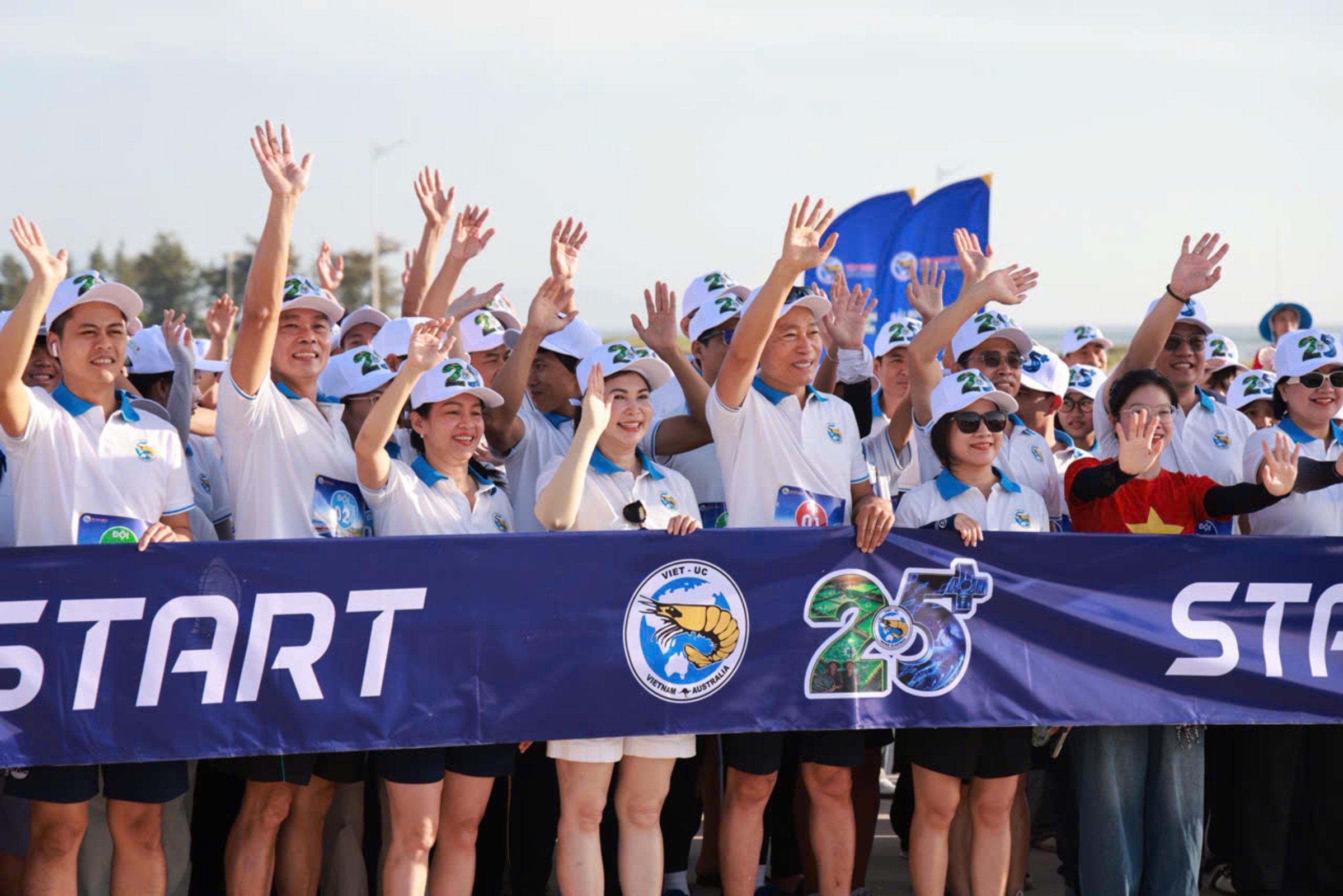
The programme “Sải bước chân S – Kiến tạo biển xanh” (“S Strides – Building a Green Sea”) was organised by Viet Uc Seafood Corporation together with the Green Vietnam Community (Cộng đồng Xanh Việt Nam) and the People’s Committee of Phuoc Dinh commune, in response to World Sustainability Day 2026. Participants included company staff, Youth Union members and volunteers.
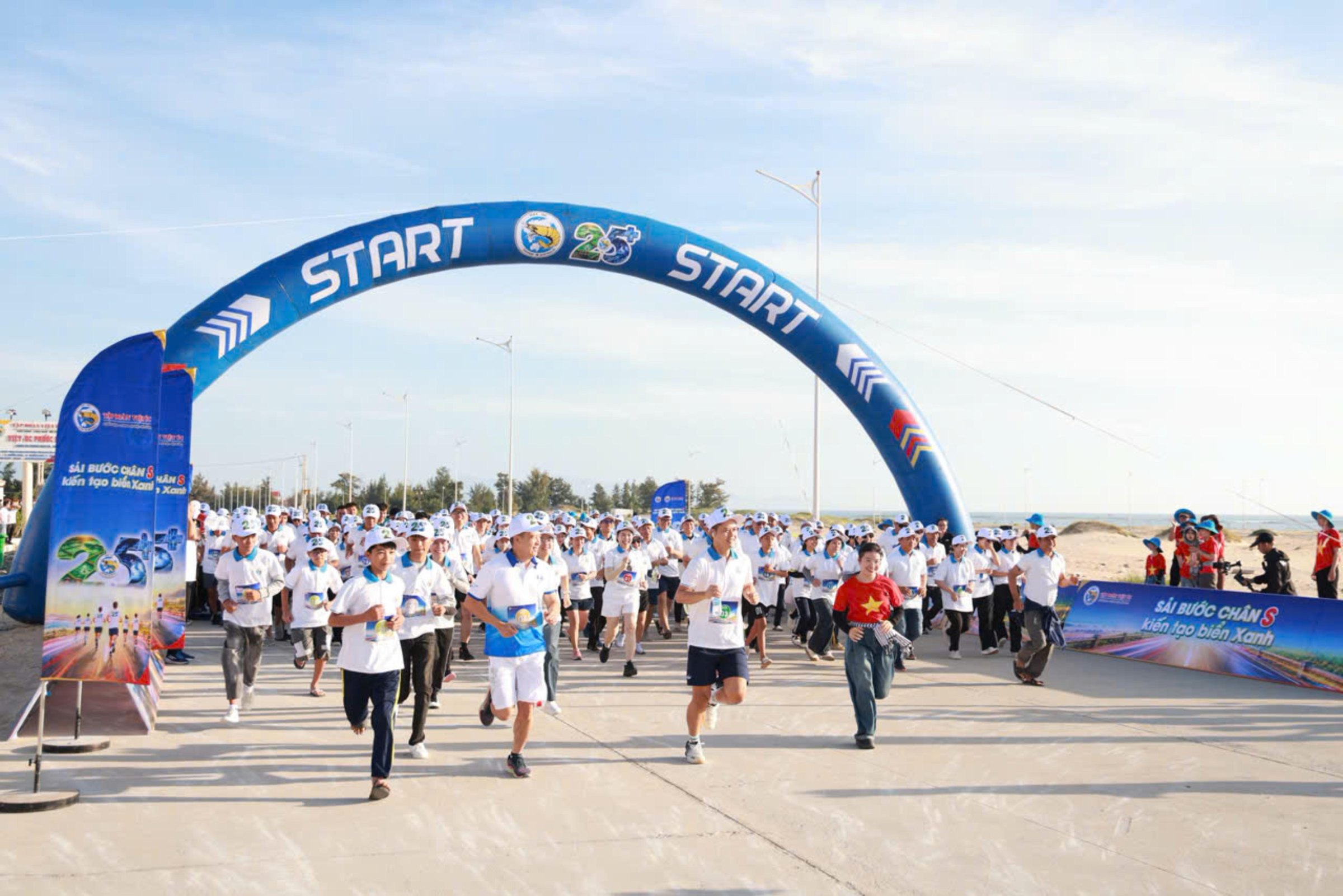
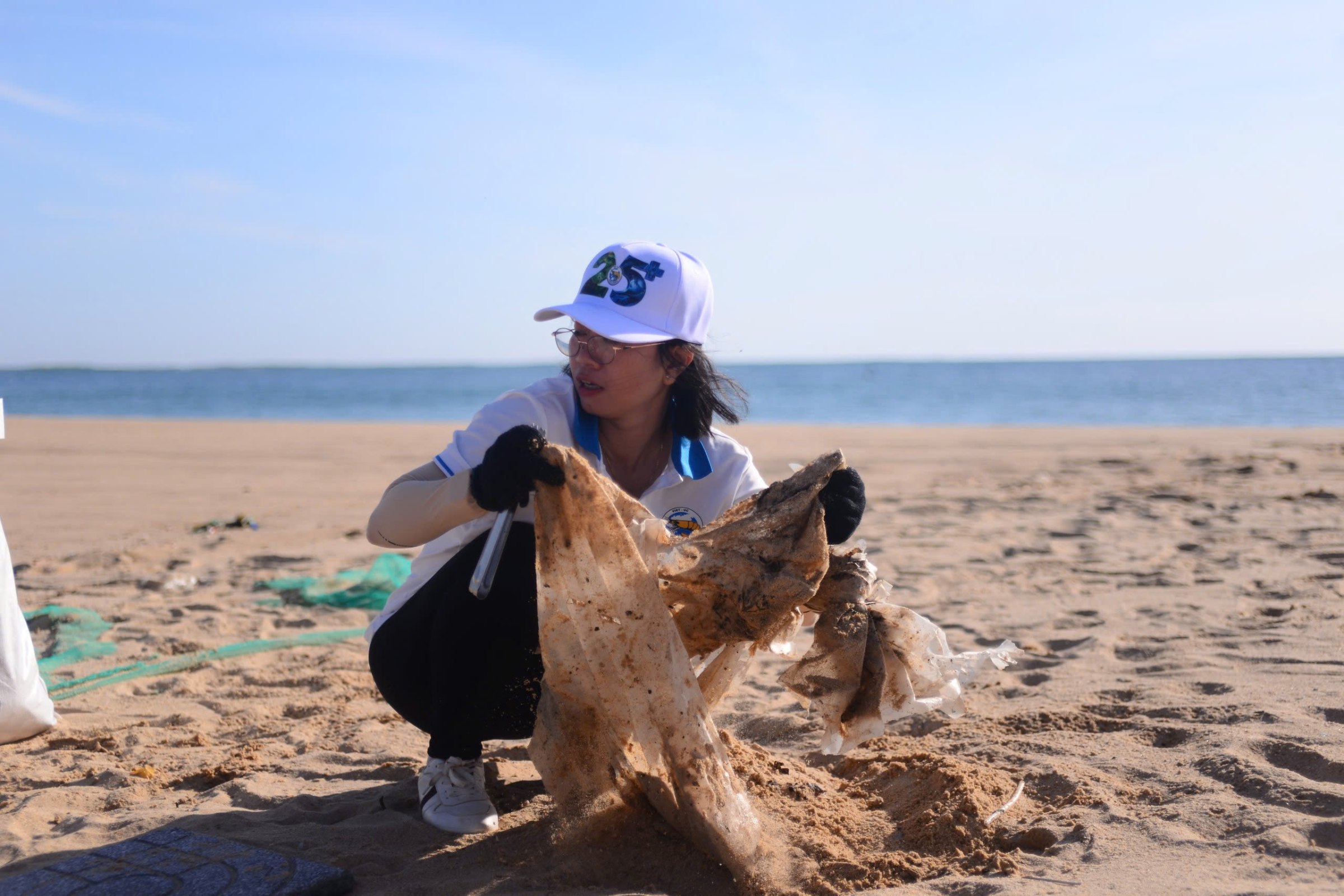
Starting at 6 a.m. from Son Hai Beach, the group ran 2.5 km along the coastal road and then split into teams to collect litter. The waste was sorted on the spot and handed over to a licensed waste-handling unit in line with regulations. This format is known as plogging, which combines jogging with picking up litter. The commune authorities and local services provided medical support, traffic coordination and transport for the collected waste.
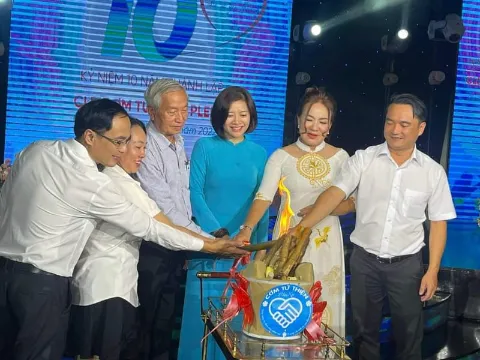
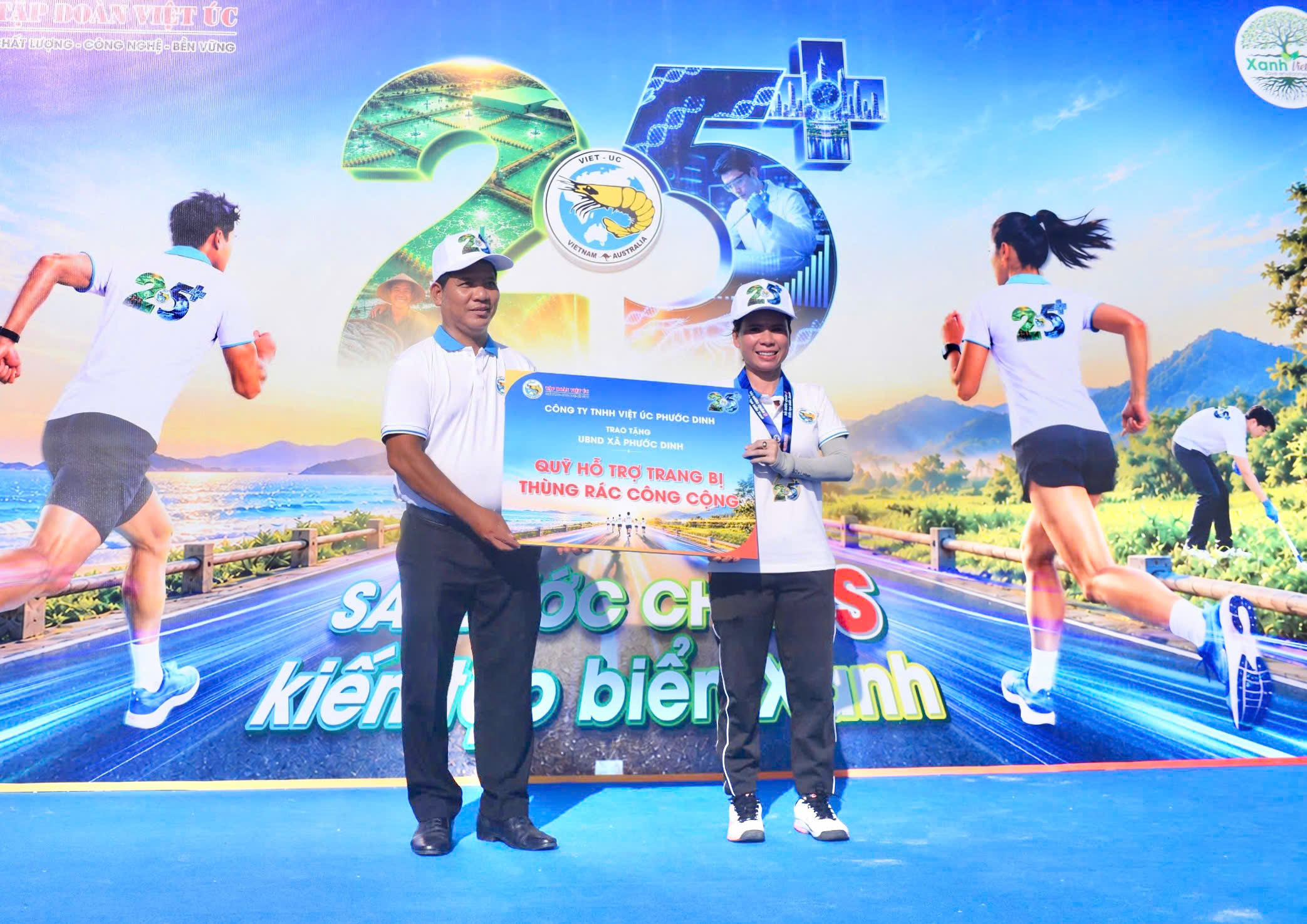
On this occasion, Viet Uc Phuoc Dinh Co., Ltd. also presented a symbolic board for a fund to equip Phuoc Dinh commune with public waste bins. The bins will be placed at shared community spaces across the commune, making it easier for residents to dispose of waste in the right place. This also reflects the company’s commitment to working alongside local authorities and residents to keep the landscape clean and sustainable over the long term.
Mr. Ton That De, Member of the Board of Directors and CEO of Viet Uc Seafood Corporation, said that ocean plastic waste directly affects marine ecosystems and fisheries resources, with a direct impact on the sustainable development of the entire sector. “Keeping the marine environment clean today also means protecting the ecosystem, fisheries resources and the livelihoods of coastal communities in the future,” he said.
A clean coastline means a clean water source
Son Hai Beach lies directly in front of Viet Uc Phuoc Dinh Co., Ltd., the core centre in Viet Uc Seafood Corporation’s network of three shrimp broodstock genetics and breeding centres. Seawater here supplies the broodstock, so litter, especially plastic, does not only spoil the landscape but also poses a risk to the water source.
Mr. Luong Thanh Van, Founder and Chairman of the Board of Directors of the corporation, shared:
From the very first days after the company was founded, I saw that aquaculture is directly tied to water quality and the marine ecosystem. That is why protecting the environment is not only a social responsibility, but a prerequisite for Viet Uc’s development.
Mr. Luong Thanh Van, Founder and Chairman of the Board of Directors
Mr. Luong Thanh Van believes that protecting the environment starts with very small habits: not littering and putting waste in the right place. “One small action will build up to create a big effect,” he said.
Mr. Kieu Thanh Nhoa, Member of the Standing Committee and Vice Chairman of the People’s Council of Phuoc Dinh commune, said that the commune is blessed with a long coastline, closely tied to aquaculture livelihoods and the long-standing cultural life of local people. Recognising that “economic development is only truly complete and sustainable when it goes hand in hand with environmental protection,” the People’s Council and the local authorities always pay attention to, oversee and encourage initiatives to protect the coastal ecosystem.
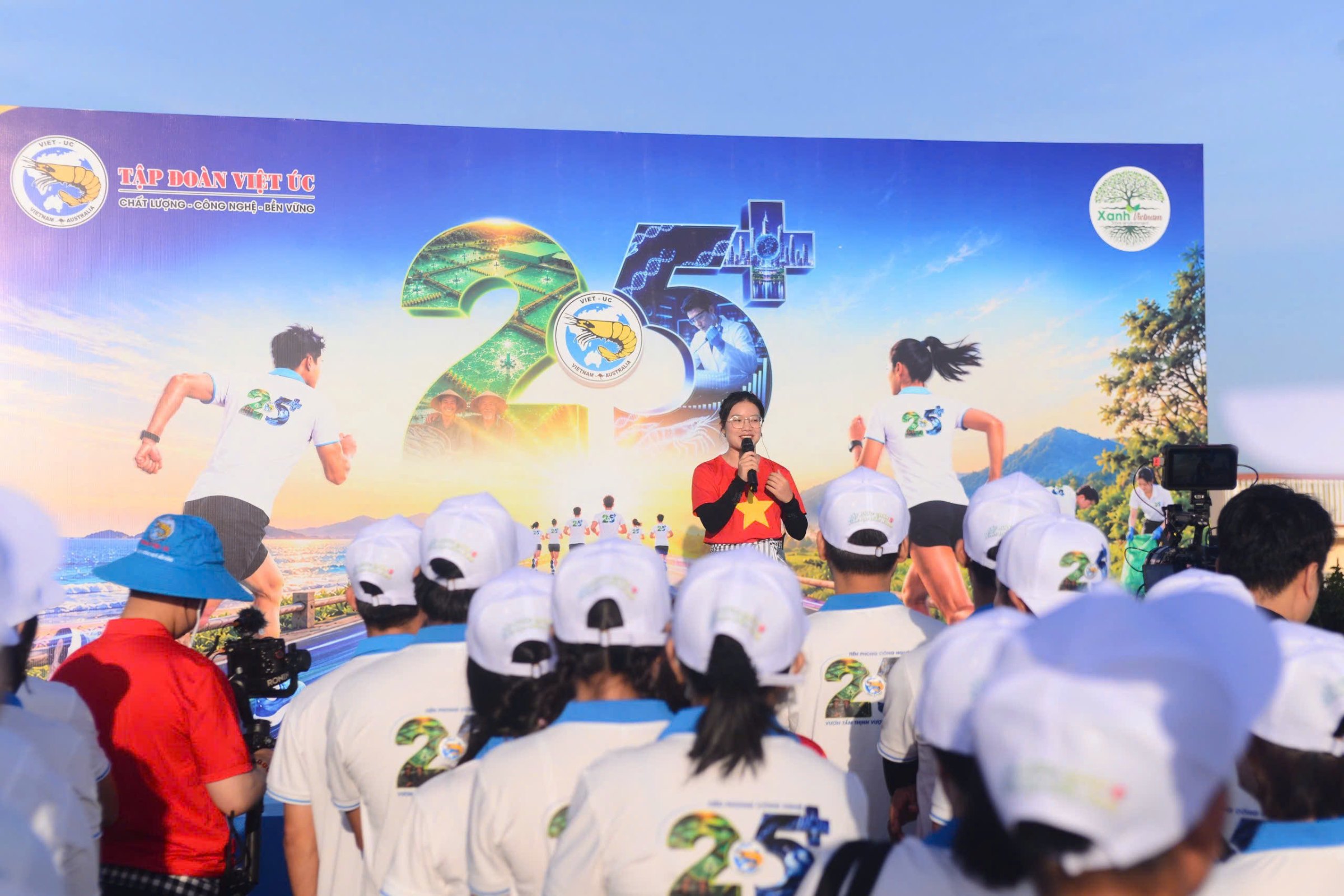
Ms. Nguyen Ngoc Anh, Founder of the Green Vietnam Community, said that protecting the environment “is not the job of any one person alone,” but requires the joint effort of local authorities, businesses, social organisations and every resident. She hopes the event will serve as a bridge to bring businesses closer to the locality and the community, and to jointly roll out more programmes such as tree planting, environmental education in schools, waste sorting at source and reducing plastic waste, so that green actions continue to be maintained and spread over the long term.
The Sustainability 360° perspective
What stands out about this activity is that a company is cleaning up the very stretch of sea its own production depends on. This is no longer a side charity activity, but a way of managing an environmental risk tied to its source area, in line with the spirit of ESG.
On the environmental pillar (E), the activity helps reduce the amount of waste at risk of washing into the sea and protects the water supply for production. On the social pillar (S), employees and local young people took part together, while the community received additional shared waste-collection infrastructure. On the governance pillar (G), the programme was carried out together with the local authorities, waste was handled in line with regulations and the results were made public.
In terms of the United Nations Sustainable Development Goals, the activity contributes to SDG 14 on life below water, SDG 12 on responsible waste management, SDG 11 on sustainable communities and SDG 17 on partnerships between stakeholders.
A single clean-up is a positive first step. To spread the impact further, activities like this should be carried out regularly, combined with communication to raise residents’ awareness of waste sorting at source and reducing plastic waste. When practical action goes hand in hand with a clear message, keeping the coastline clean will gradually become a shared habit of the whole coastal community.
Figures as announced by the organising committee.