According to statistics, in the first seven months of 2026, Phu Tho Province appraised and provided feedback on the technologies of 105 investment projects, with a focus on limiting outdated, energy-intensive, and polluting technologies while encouraging advanced, energy-efficient, and environmentally friendly solutions.
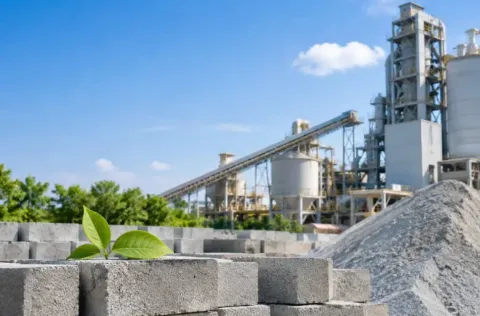
Meanwhile, the province's industrial production index increased by 24.3% in the first seven months of 2026, with the manufacturing and processing industry recording growth of 25.18%. This growth rate highlights the need to improve resource efficiency and strengthen waste management in production activities.
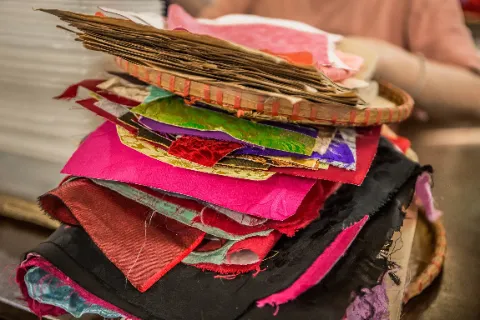
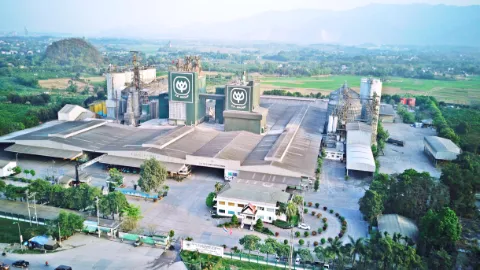
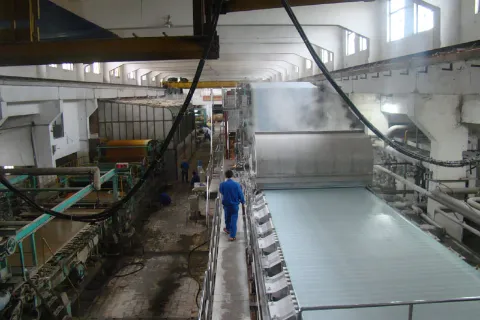
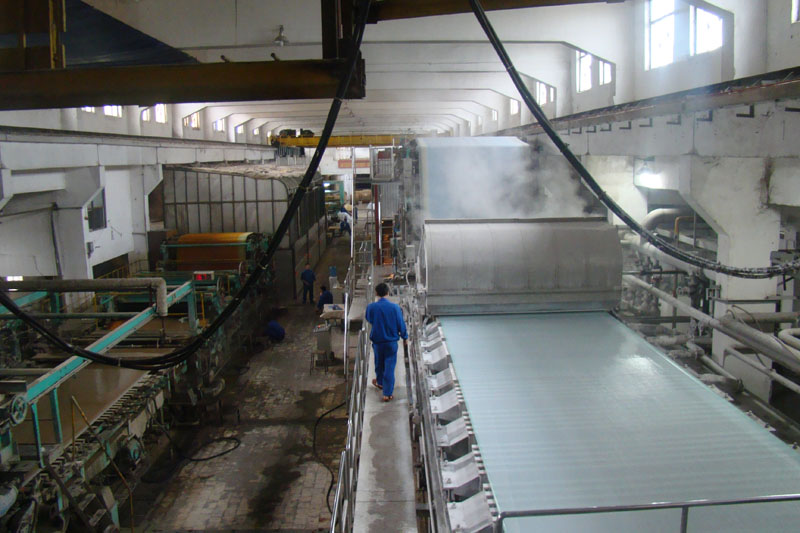
At Viet Tri Paper Joint Stock Company, recovered paper is used as part of the company's raw material input. With an annual production capacity of approximately 150,000 tonnes of paper, the company consumes around 900,000 cubic metres of water each year, approximately 70% of which is treated and reused. Paper scraps generated during production are also recovered and reused as raw materials for other products.
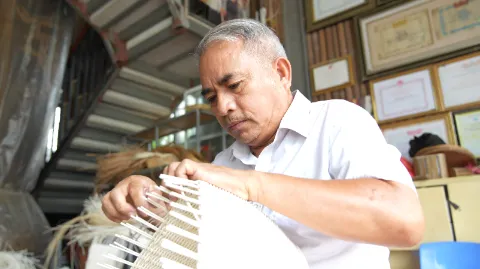
At Tam Dao Mushroom Cooperative, the circular economy is implemented through an integrated production chain. Silk from mulberry trees and silkworms is developed into OCOP products; silkworm pupae are used as raw materials for cultivating cordyceps; and silkworm manure and post-production by-products are processed into organic fertilizer for crop cultivation. Each year, the cooperative produces more than 15 tonnes of fresh cordyceps, while also developing experiential activities and tourism.
In fact, there remains considerable potential for circular economy development, as the province is home to thousands of farms, cooperatives, and agricultural production facilities. Crop by-products and livestock waste, if properly collected, sorted, and treated, can become inputs for animal feed, organic fertilizers, or bioenergy production.
However, many existing models remain small-scale, while technologies for processing and recycling by-products are not yet consistently developed. To expand the circular economy, stronger links are needed among businesses, cooperatives, farming households, and waste treatment facilities. At the same time, support for technological innovation, green credit, workforce training, and market development for green and recycled products is essential.
Phu Tho Province's development orientation for a green economy in the 2026–2030 period, with a vision to 2050, identifies the circular and low-carbon economy as one of its key pillars. The goal is to develop production and consumption chains that reduce waste, reuse resources, and improve energy efficiency.
The province also aims for 60% of businesses to adopt ESG practices and 30% to publish sustainability reports by 2030. These targets provide a foundation for gradually scaling up circular economy models and transforming isolated initiatives into production chains capable of generating additional value.
References
- Kinh tế tuần hoàn: Biến chất thải thành nguồn lực ↗ (accessed 2026 - 10 - 12)