Innovating Production Methods
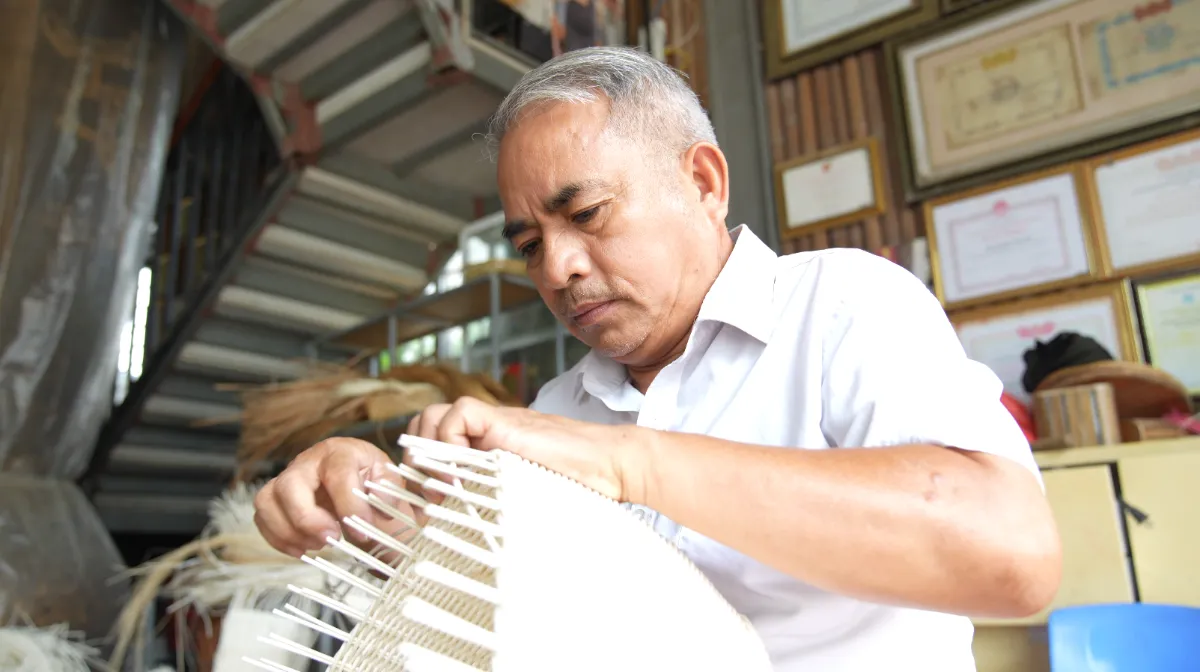
Phu Vinh is one of the oldest bamboo and rattan craft villages in the capital. Using natural materials such as rattan, bamboo, giang (a type of bamboo), trúc (bamboo), tế grass and water hyacinth, local artisans transform these materials through their skillful craftsmanship into products with both practical and artistic value.
In the past, to prevent termite damage and improve the durability of raw materials, local residents commonly soaked rattan and bamboo in ponds, lakes and canals. However, this method posed potential risks of water pollution and environmental degradation in surrounding areas. Recognizing these concerns, production households have gradually changed their raw material treatment processes. Today, instead of soaking the materials, they boil rattan and bamboo for approximately 8–10 hours to ensure durability and achieve a smooth, glossy finish, while minimizing adverse environmental impacts.
In addition, many artisans continue to use traditional handcrafted methods to color their products, relying on natural plant leaves, mud, and smoke from rice straw and rice husks. These techniques not only produce distinctive, long-lasting colors but also help reduce the use of chemicals in the production process.
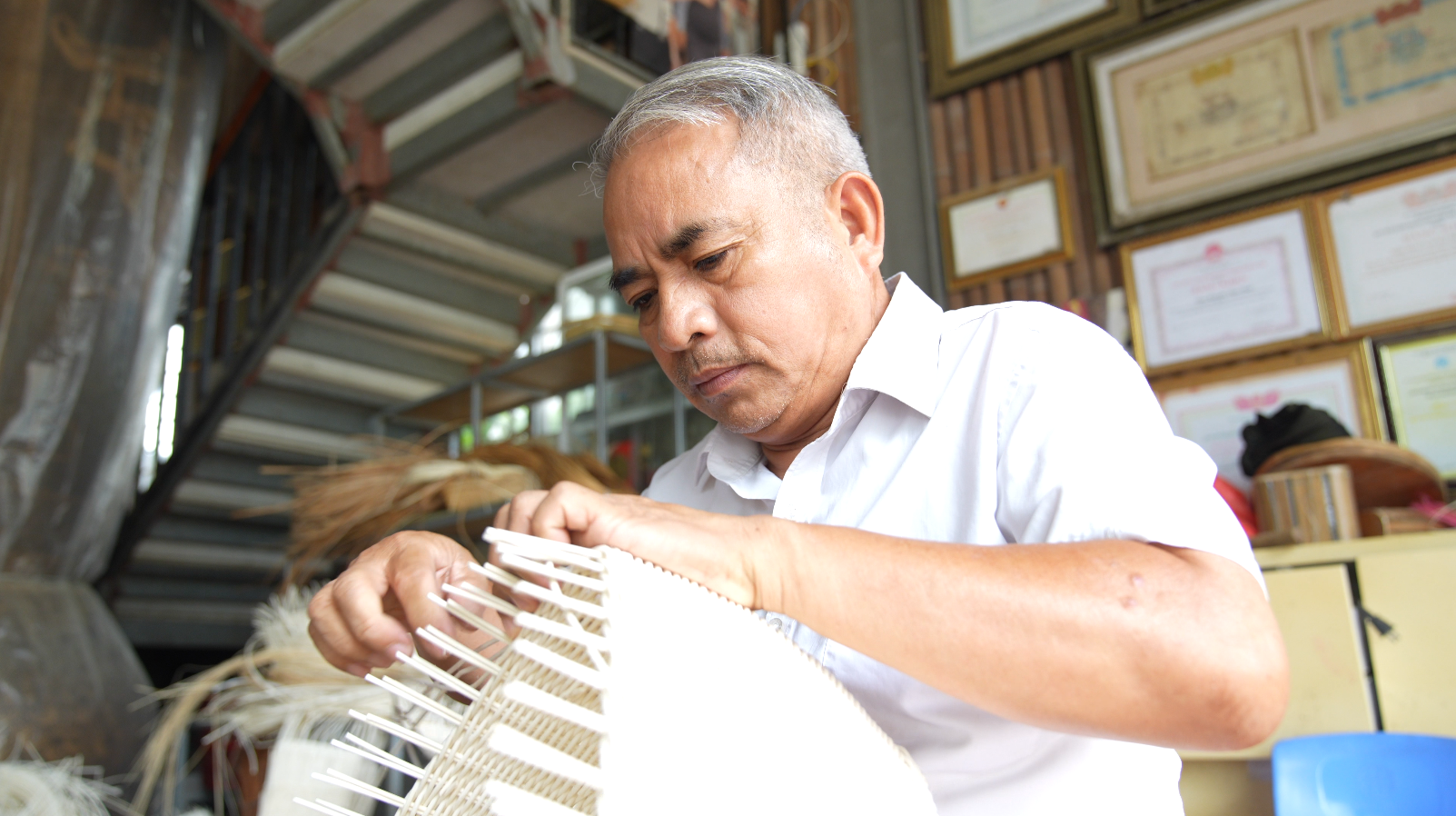
According to Meritorious Artisan Nguyen Van Tinh of Phu Vinh bamboo and rattan craft village:
"Since ancient times, villagers have known how to use natural materials to create colors for their products. For example, to achieve a black finish, every year in the 11th lunar month, local residents collect certain types of leaves, such as Indian almond leaves and Chinese tallow leaves, and boil them together with rattan and bamboo materials. Once the materials turn dark, artisans remove them from the pot and continue soaking them in black mud. This process is repeated two to three times to produce a natural, glossy black finish that is exceptionally durable and can even last for hundreds of years.
Today, alongside traditional dyeing methods, Phu Vinh residents have also researched and experimented with additional types of leaves supplied by ethnic minority communities to create a wider range of colors, including reddish-brown, pale pink, green and yellow. These efforts not only diversify product colors but also promote the value of natural materials in handicraft production."
Currently, approximately 90% of households in the village are engaged in bamboo and rattan production, with hundreds of cooperatives, production establishments and businesses operating in the sector. This traditional craft not only creates jobs and improves local incomes but also contributes to preserving the area's distinctive cultural heritage.
Towards Sustainable Craft Village Development
Alongside improvements in production processes, businesses and production establishments in Phu Vinh are increasingly focusing on product design innovation, quality enhancement and market expansion. In the past, products primarily served everyday household needs, including baskets, trays, winnowing trays and fishing equipment. Today, the product range has become much more diverse, encompassing handbags, trays, plates, decorative lamps, tables, chairs, beds, cabinets, artistic paintings and various interior furnishings.
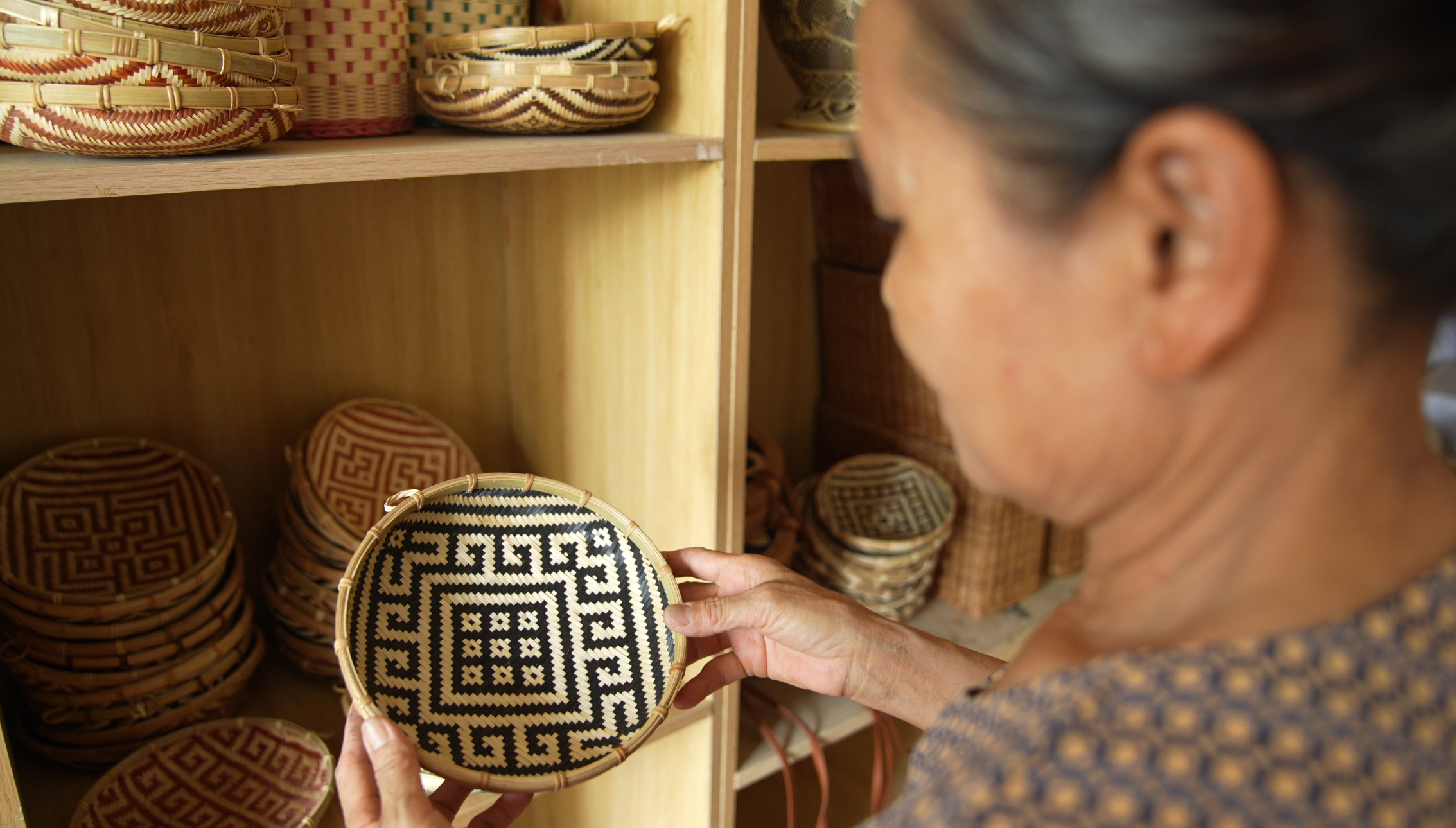
These changes have enabled bamboo and rattan products to reach a wider range of customers, particularly those who embrace green lifestyles and prioritize naturally sourced products while reducing their use of single-use plastics. In addition to being widely distributed in the domestic market, Phu Vinh products have also reached numerous international markets, including the United States, Japan, South Korea and European countries.
Notably, the growing trend towards sustainable consumption is creating new opportunities for the craft village. Bamboo and rattan baskets, trays, boxes, decorative items and furniture not only meet practical needs but also carry aesthetic and cultural value, helping bring natural materials back into modern everyday life.
In the coming years, residents of Phu Vinh bamboo and rattan craft village will focus on developing higher-value-added, environmentally friendly product lines that respond to green consumption trends and the circular economy. At the same time, they will prioritize design innovation, quality improvement and the development of a collective brand associated with the village's traditional cultural identity.
The People's Committee of Phu Nghia Commune will also strengthen communication and product promotion across digital platforms, while expanding livestreaming activities to introduce the local landscape, people and distinctive cultural heritage of the craft village to domestic and international consumers.
With support from local authorities and the continued efforts of its residents, Phu Vinh is gradually transforming towards greener production and sustainable consumption. Beyond preserving its traditional craft, the village aims to enhance product value, create stable livelihoods for local people and minimize environmental impacts. These efforts provide a foundation for Phu Vinh's bamboo and rattan products to further strengthen their market position, bringing the value of traditional craftsmanship in line with the global transition towards green development.
References
- Làng nghề mây tre đan Phú Vinh: Hướng tới phát triển bền vững ↗ (accessed 2026 - 10 - 30)