Turning waste into resources
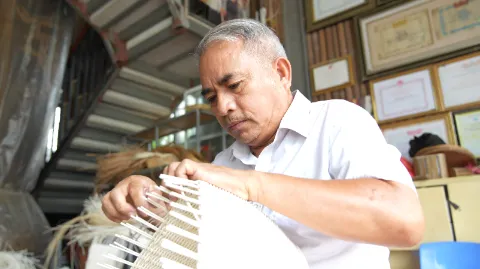
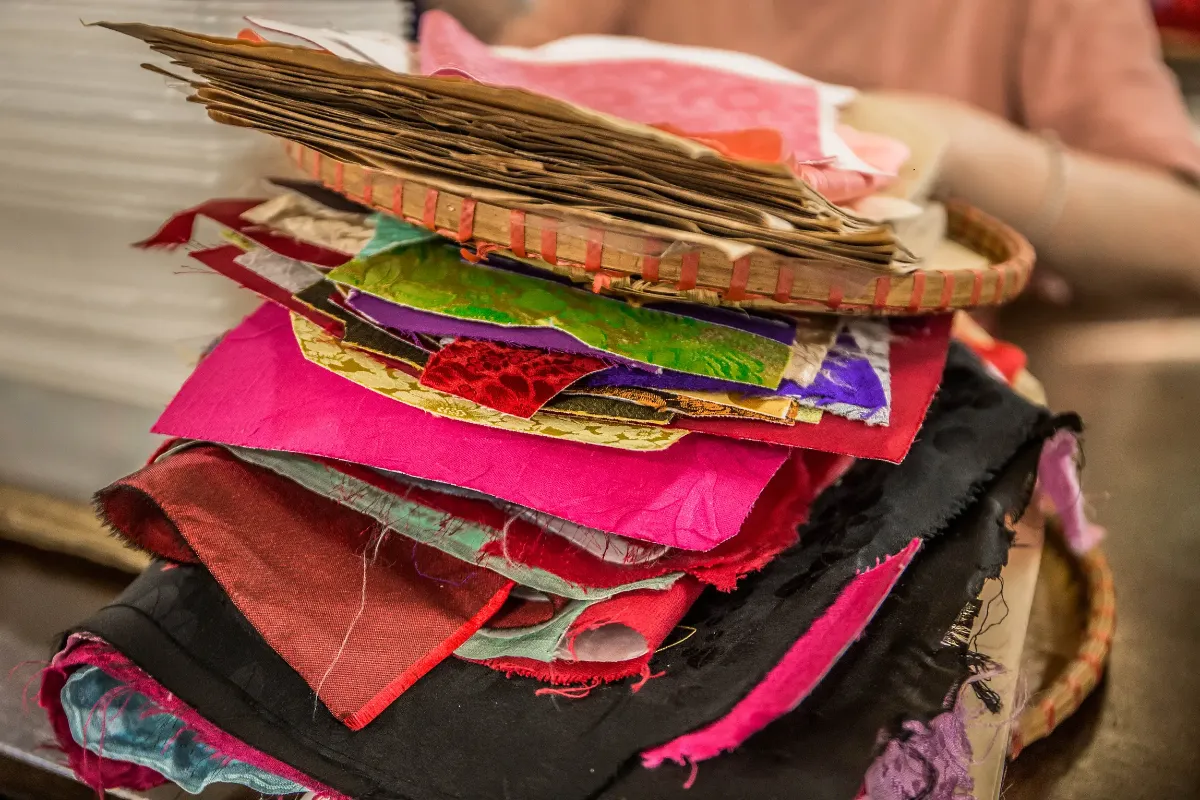
In Van Phuc Silk Village in Hanoi, fabric scraps generated during silk production were once considered surplus materials with limited reuse potential. However, through a creative approach, these seemingly valueless scraps are now being transformed into distinctive handicraft products, helping reduce waste and improve resource efficiency.
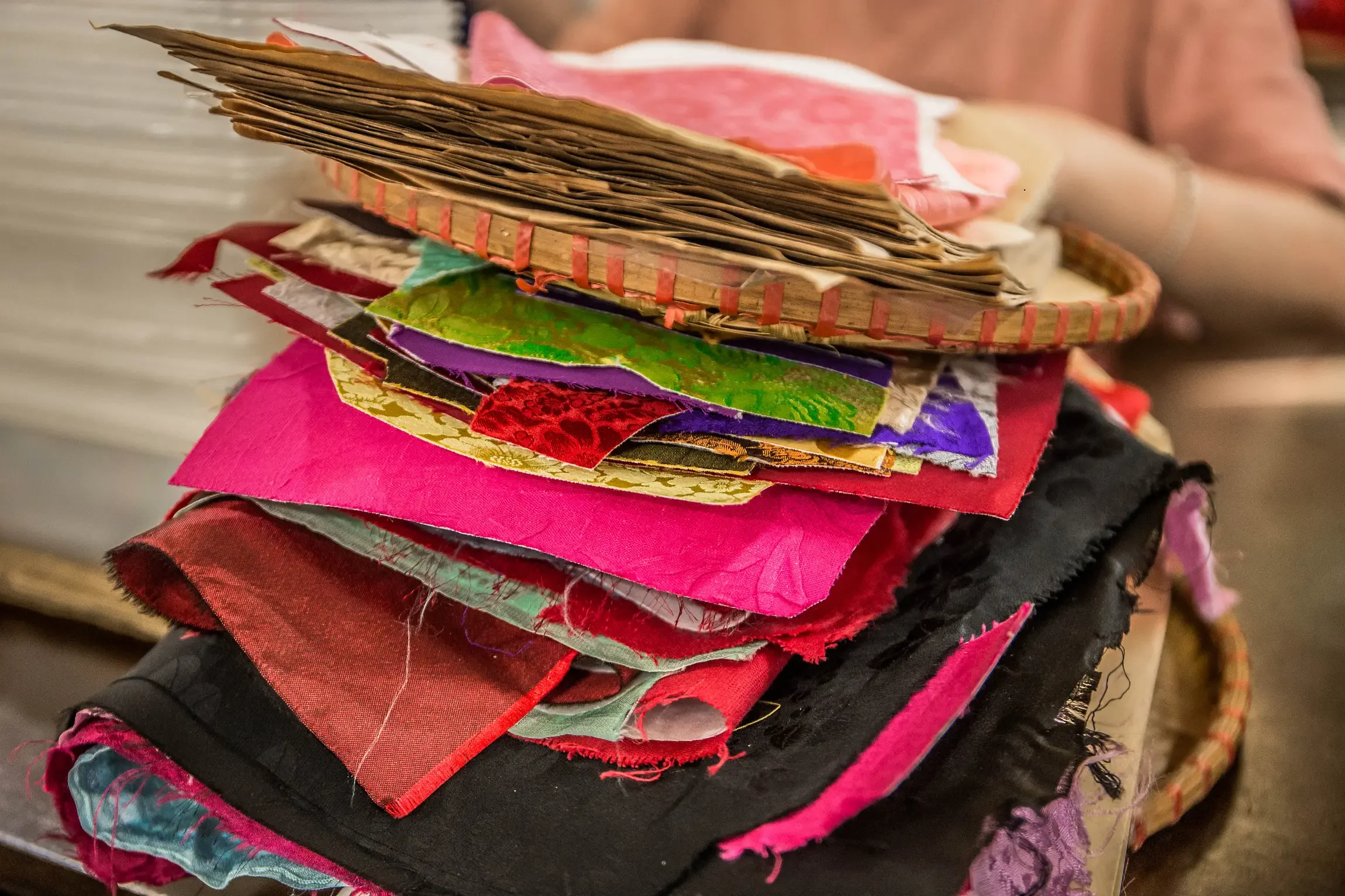
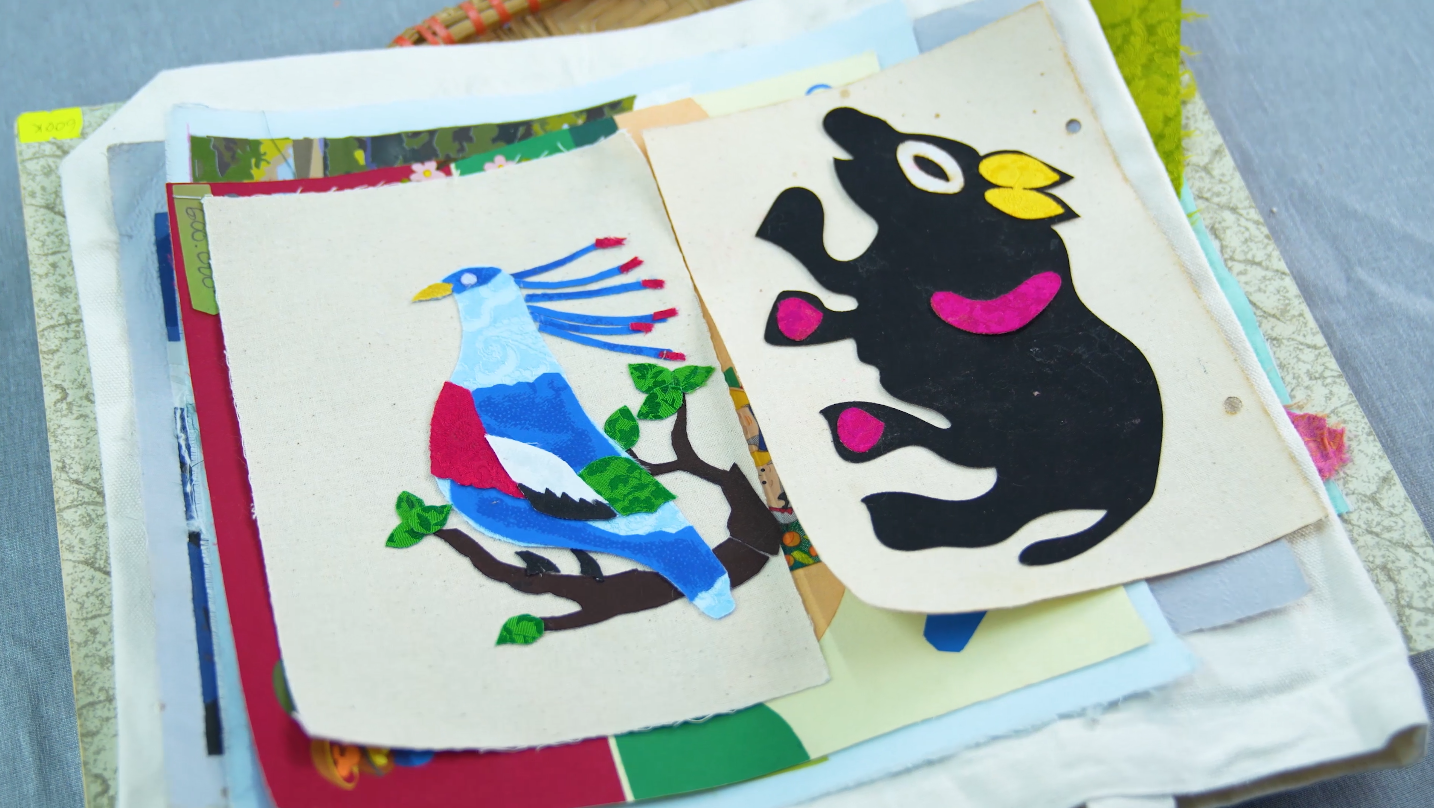
Since 2018, Vụn Art Cooperative has collected fabric scraps generated in Van Phuc Silk Village to use as materials for hands-on craft experiences. Through the creativity of artisans and participants, these scraps are transformed into fabric collage paintings, handbags, souvenirs, and various other functional products.
To date, the cooperative has collected and reused most of the fabric scraps generated in the village. The model not only helps reduce material waste but also opens up new opportunities to create value from by-products of traditional production.
Notably, recycling activities are also combined with environmental education through workshops for students, university students, and visitors. Participants gain hands-on experience in making new products from fabric scraps, thereby gaining a better understanding of the value of material reuse and developing more responsible consumption habits.
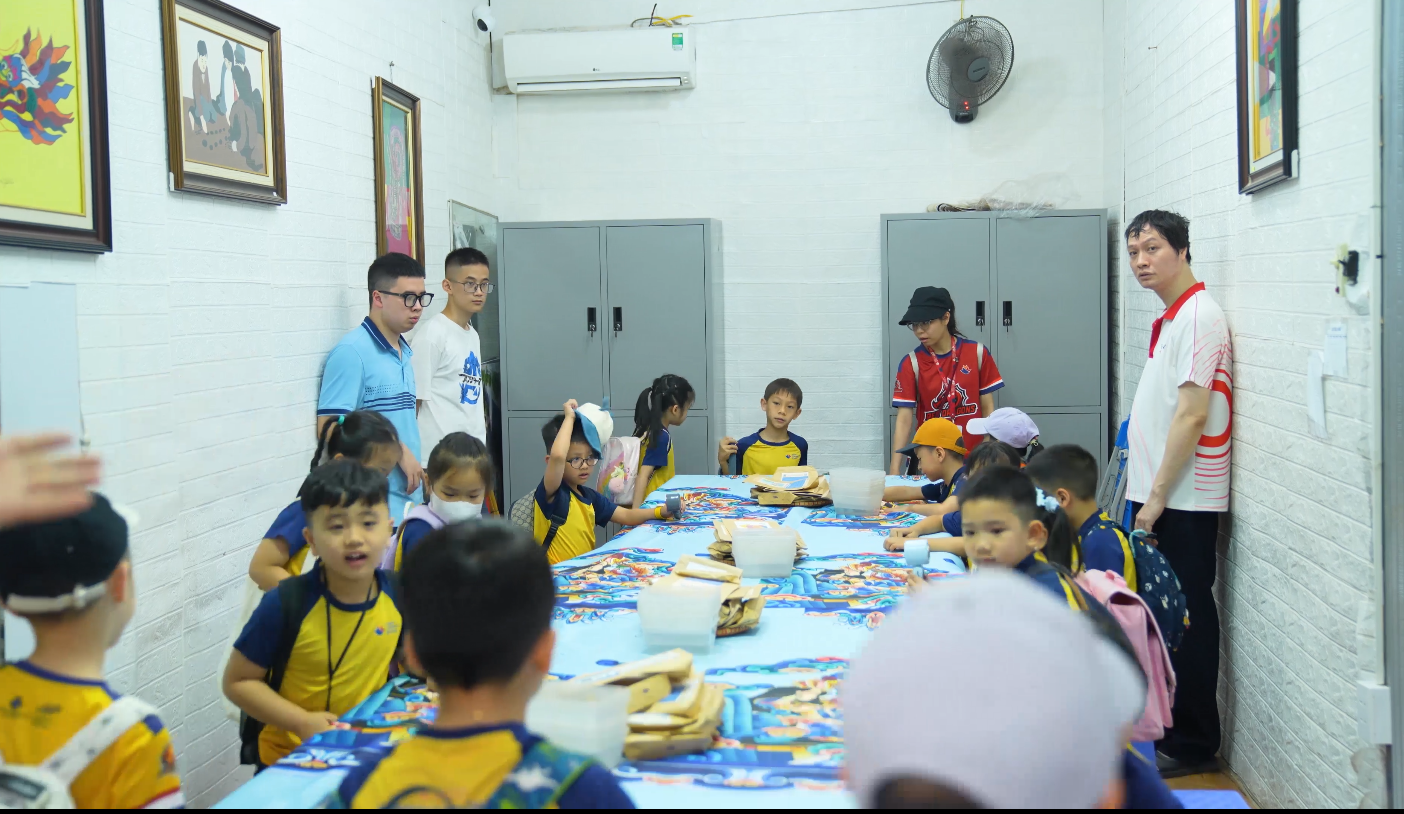
Through these activities, environmental protection messages are conveyed through practical experiences closely connected to everyday life. Rather than relying solely on awareness-raising campaigns, the model helps participants recognize that materials seemingly destined for disposal can still be put to use when approached appropriately.
The story of Vụn Art demonstrates that promoting green production in craft villages does not necessarily require major technological changes. Making use of available materials, reducing waste, and creating new products can also generate practical economic and environmental value.
Gradually Reducing the Environmental Impact of Production
Alongside efforts to recycle materials, production facilities in Van Phuc Silk Village are also being encouraged to strengthen their environmental awareness, particularly in silk dyeing and wastewater treatment.
According to Mr. Nguyễn Văn Hùng, Chairman of the Van Phuc Silk Weaving Craft Village Association in Hanoi, the association and cooperatives regularly raise awareness and encourage local residents to maintain a clean and healthy environment throughout the production process.
In the past, Van Phuc had numerous privately operated dyeing facilities. Following research into wastewater, Japan International Cooperation Agency (JICA) once suggested that planning centralized dyeing facilities could facilitate wastewater treatment through large-scale collection tanks.
However, in the absence of a centralized treatment system, production households have been guided to adopt several on-site treatment measures, such as building collection tanks, using large-capacity containers, and arranging filtering materials made from coal slag and sand to help settle impurities before wastewater is discharged into the surrounding environment.
In practice, the green transition in craft villages involves more than reusing materials or changing products; it also requires improvements throughout the entire production process. Every stage—from material use and dyeing to waste management—needs attention to minimize environmental impacts.
At the same time, these on-site treatment measures highlight the need for further improvements to environmental infrastructure, particularly centralized wastewater collection and treatment systems, to establish a foundation for the sustainable development of craft villages.
Promoting sustainable consumption trends
The transformation of fabric scraps into handicraft products in Van Phuc demonstrates that the circular economy is not merely about reducing waste but also about creating greater value from the materials and products of traditional craft villages. When materials that would otherwise be discarded are given a new lease on life, a product’s value lies not only in its functionality but also in how it is made and the environmental message it conveys.
This illustrates the close relationship between green production and sustainable consumption. Products made from recycled or natural materials have greater opportunities to reach the market as consumers become increasingly interested in using resources efficiently and minimizing environmental impacts. Conversely, growing demand for environmentally friendly products also encourages production facilities to continue innovating their manufacturing practices.
For this trend to develop more widely, consumers play an important role alongside the efforts of craft villages by prioritizing products that meet their needs, are durable, and help minimize waste. At the same time, production facilities need to continue improving product quality, diversifying their offerings, and enhancing production processes to reduce waste and use materials more efficiently.
For traditional craft villages, the circular economy is therefore not simply about making use of surplus materials, but also about connecting every stage from production to consumption. When materials are utilized more efficiently, products better meet market demand, and awareness of green consumption improves, craft villages will have greater opportunities to increase product value, preserve traditional crafts, and move towards sustainable development.
Vietnam currently has approximately 5,400 craft villages, including nearly 2,000 traditional craft villages. These contribute to local economic development, create employment opportunities, and preserve the country's distinctive cultural heritage.
Given their scale and significance, the green transition of craft villages is important not only for the environment but also for local livelihoods and the ability to preserve traditional crafts across generations.
Method & scope
Publish the content verbatim from official sources, with clear source attribution.
References
- Từ vải vụn làng nghề, đến kinh tế tuần hoàn ↗ (accessed 2026 - 10 - 19)