Technological Improvements to Reduce Costs
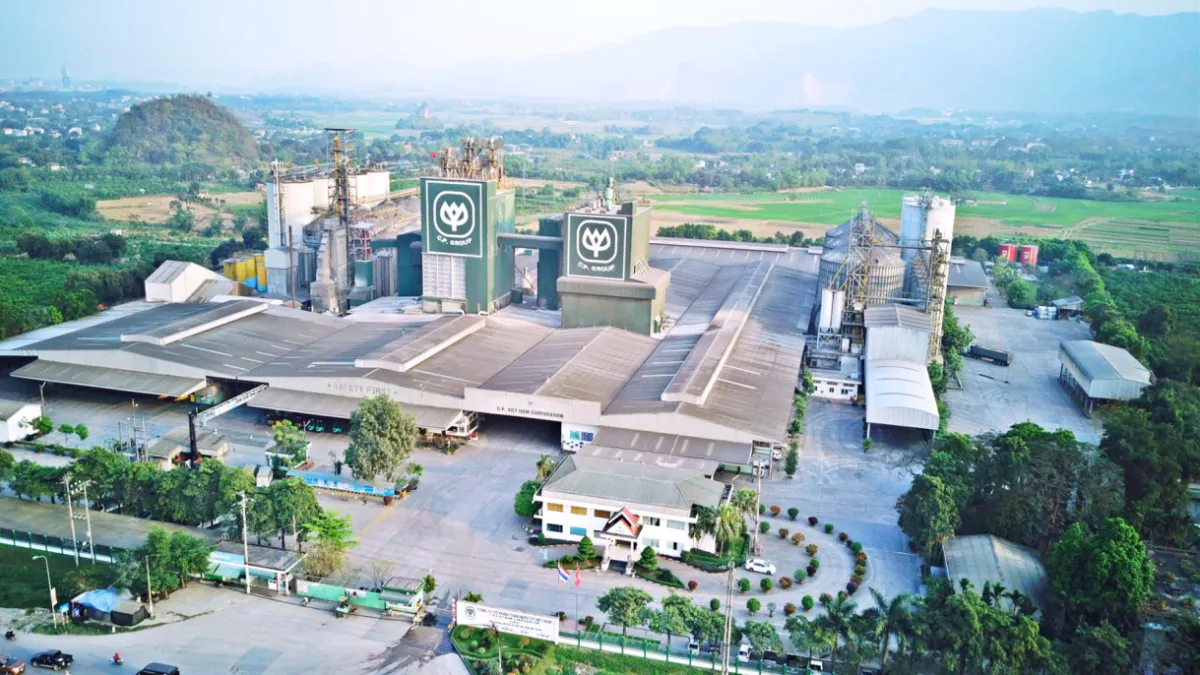
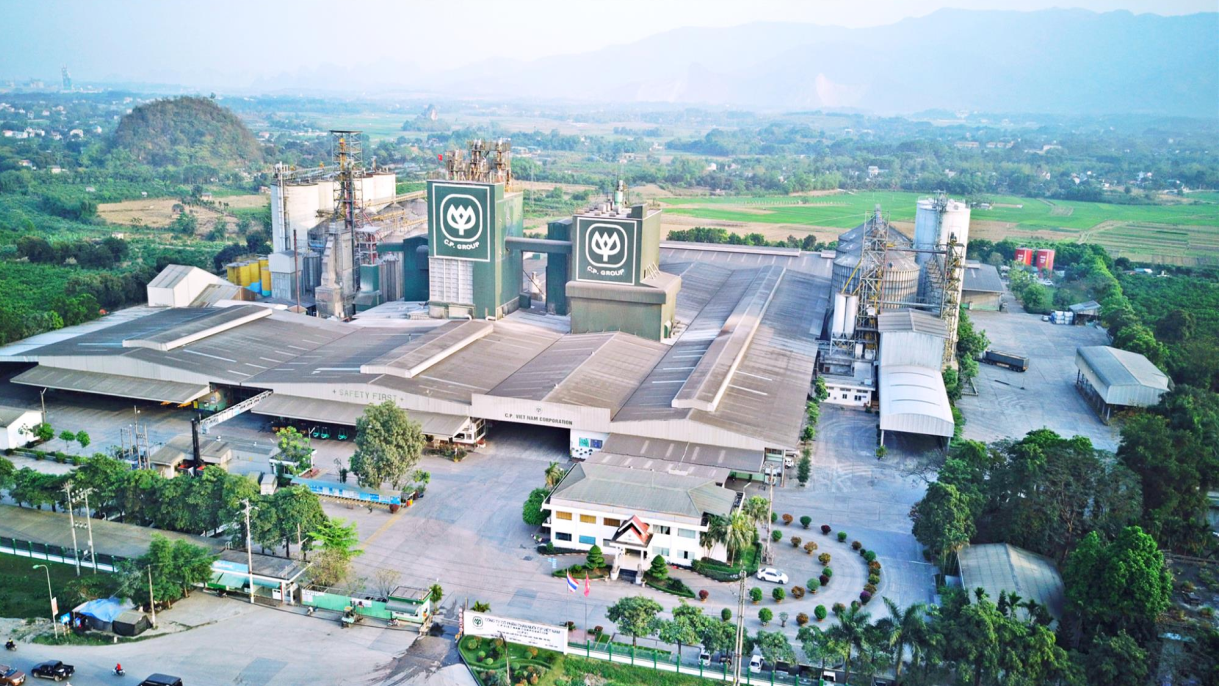
Operating since 1996, C.P. Xuan Mai Plant specializes in producing livestock and poultry feed for farming operations across northern Vietnam. Given the energy-intensive nature of its production processes, which require substantial amounts of electricity, steam and fuel for grinding, mixing, pelletizing, drying and material handling, the company has identified improving energy efficiency as a task closely aligned with its sustainable development goals.
Accordingly, the company has implemented various improvements to its equipment and production processes, focusing on energy-intensive operations. Notable measures include upgrading the boiler feedwater heating system, increasing the capacity of the silo cleaning machines and optimizing the operation of the Extruder machine.
Accounting for approximately 54% of the plant’s total energy consumption, the boiler system has been upgraded with an additional buffer tank and a circulating pump system. A heat exchanger is used to preheat water before it enters the feed tank. Instead of feeding cold water directly into the system, the water is preheated, helping to minimize heat loss and improve fuel efficiency. This measure saves approximately VND 1.286 billion annually and is estimated to reduce greenhouse gas emissions by 19.22 tonnes of CO₂ per year.
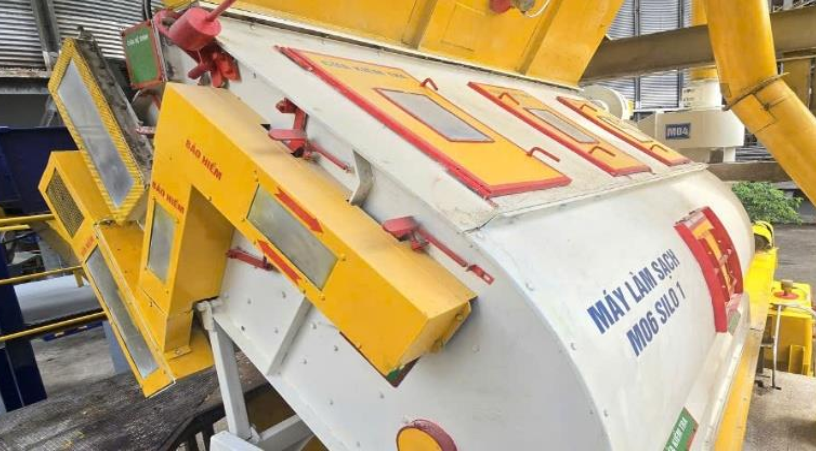
At the raw material receiving stage, improvements to Silo Cleaning Machines No. 1 and 2, including adjustments to roller speeds, increased equipment clearance and optimized airflow, have raised the receiving capacity of Machine No. 1 from 110 to 150 tonnes per hour and Machine No. 2 from 100 to 150 tonnes per hour. At the same time, electricity consumption per tonne has decreased from 1.1 to 0.8 kWh for Machine No. 1 and from 0.8 to 0.5 kWh for Machine No. 2. The company estimates that these improvements generate total annual savings of more than VND 160 million.
For the Extruder machine, which is used to steam-cook FFS and Pop Corn ingredients, the plant has introduced several adjustments to meet the new Trypsin standards, increase production capacity and reduce electricity consumption per tonne of product. These include changing the motor pulley to prevent overloading of the screw conveyor and extending the conditioning time for materials after they exit the extrusion die. Notably, the heat retained in the materials after leaving the die is reused to maintain the conditioning process before they are transferred to the Cooler.
As a result, the soybean steaming capacity increased from 2.2 to 4 tonnes per hour, while electricity consumption decreased from 40 to 26.2 kWh per tonne. For corn steaming, capacity rose from 4.4 to 5.5 tonnes per hour, while electricity consumption fell from 33.7 to 22.9 kWh per tonne. The improvements to the Extruder machine are estimated to generate annual savings of approximately VND 727 million and reduce emissions by an estimated 277 tonnes of CO₂ per year. These results demonstrate that technical improvements not only increase productivity but also create opportunities to reduce energy and resource costs in production.
Digitalizing Management to Improve Energy Efficiency
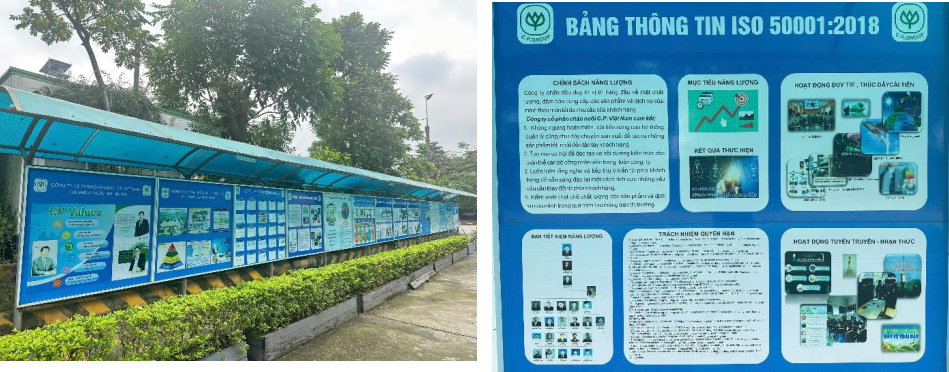
Alongside equipment upgrades, C.P. Xuan Mai has focused on establishing an integrated energy management system as a foundation for maintaining long-term energy savings. The company implemented an energy management system in accordance with ISO 50001:2018 and received certification from SGS in December 2019. The system has since been maintained and continuously improved, while being integrated with the existing quality and environmental management systems.
Notably, the company has adopted the Smart EE intelligent energy management system, which is connected to electricity meters at 121 monitoring points throughout the plant. Consumption data is recorded continuously, enabling the company to monitor the operating status of individual equipment, analyze energy consumption levels and detect signs of inefficient energy use.
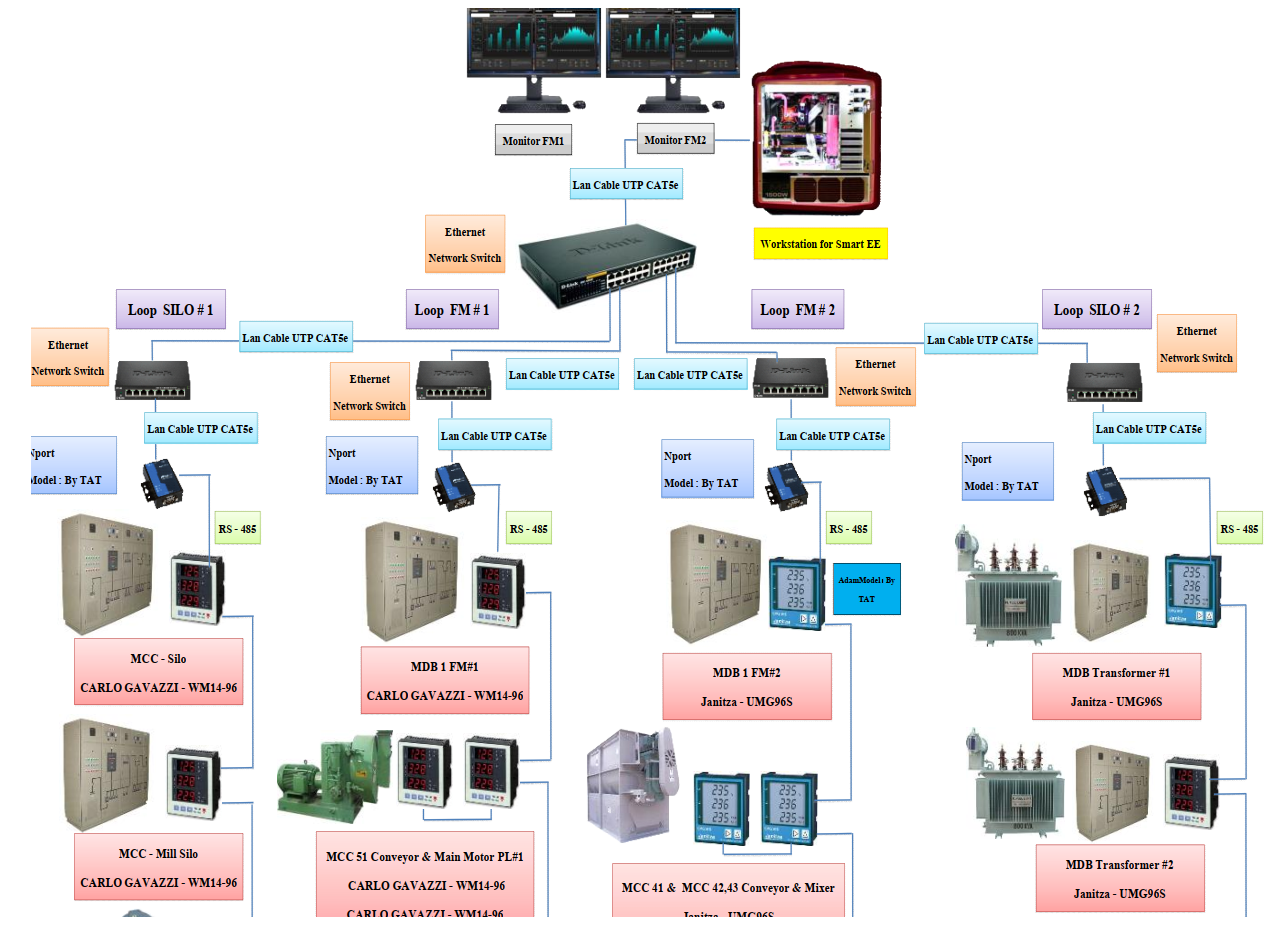
The system can issue alerts for conditions such as equipment running idle, compressed air pressure drops or steam leaks. These alerts are sent to operators through mobile software, enabling the relevant teams to promptly inspect and address issues, thereby minimizing energy waste.
In 2025, the plant continued to improve its pelletizing process through the Smart Pellet Mill program. Automating input parameters and controlling steam flow using flow meters help stabilize operations and minimize energy losses during start-up. An automatic production line shutdown program has also been implemented to prevent equipment from continuing to operate when there is no longer a production demand.
To ensure the effectiveness of these technical solutions, the company maintains an Energy Conservation Committee comprising 24 members. Its responsibilities include monitoring energy consumption, setting targets, organizing training and overseeing implementation across departments. Performance indicators are reviewed monthly to assess results and propose further improvements.
Towards Sustainable Production
Alongside energy conservation, C.P. Xuan Mai has gradually diversified its energy supply towards more environmentally friendly sources. Since 2009, the plant has used biomass fuels as a substitute for coal in its boiler system. Its primary biomass sources include wood shavings, sawdust, wooden pallets, some solid wood pieces and by-products from the corn-drying process.
In 2025, biomass accounted for 50–65% of the plant’s total energy consumption. The company has also invested in an automated biomass grab-bucket system and a wooden pallet grinding system, helping reduce reliance on manual operations while improving fuel supply efficiency and boiler performance.
Regarding solar energy, in 2025, the plant installed 21 solar-powered lights along internal roads and in common areas, with a total installed capacity of 5.55 kW. According to data provided by the company, average electricity generation reached approximately 1,893 kWh per month in summer and 1,376 kWh per month in winter. This solution helps reduce grid electricity consumption for lighting while making use of locally available renewable energy.
The company also works with the electricity sector to implement demand response programs, reducing power consumption during peak hours. This solution not only helps optimize operating costs but also promotes more efficient electricity use and eases pressure on the power system.
C.P. Xuan Mai’s experience demonstrates that green production can be promoted through equipment upgrades, heat recovery, data monitoring and greater employee accountability. When implemented in a coordinated manner and monitored using specific indicators, energy conservation not only helps businesses reduce costs but also lays the foundation for more efficient resource use and the gradual reduction of their carbon footprint in production activities.
As the transition to a greener economy becomes increasingly imperative, the experience of C.P. Xuan Mai Plant offers valuable insights for other manufacturing facilities on combining technological innovation, energy management and appropriate energy sources. This is also a practical approach to strengthening competitiveness while balancing economic growth with environmental responsibility and sustainable development.
References
- SCP I https://scp.gov.vn/tin-tuc/t24681/c-p-xuan-mai-toi-uu-nang-luong-thuc-day-san-xuat-xanh-va-ben-vung I 2026-11-04