Volunteer Tourism – An Emerging Travel Trend Linked to Social Responsibility
In recent years, tourism has become more than just a journey to explore nature or experience local cultures. It has gradually evolved into a way for individuals and organizations to make positive contributions to communities. Around the world, the concept of voluntourism (volunteer tourism) has grown significantly, allowing travelers to explore destinations while participating in socially meaningful activities. In Vietnam, this trend is also becoming increasingly visible, particularly through programmes that combine experiential travel with volunteer activities in remote areas and communities with large ethnic minority populations.
Designing customized volunteer tourism tours not only offers participants a unique experience but also helps address communities’ practical needs. Through activities such as establishing bookshelves, preparing meals for students in mountainous areas, donating essential supplies, providing livelihood-supporting plants, installing water purifiers, and organizing educational activities and cultural exchanges, these trips create lasting social value rather than being limited to short-term sightseeing.
More importantly, well-planned volunteer tourism tours help raise awareness of social responsibility among participating businesses, organizations, and individuals. By directly witnessing living and learning conditions in disadvantaged areas, travelers can gain a deeper understanding of the challenges faced by local communities, fostering empathy and a desire to make long-term contributions.
In Vietnam, mountainous areas in the northern region, the Central Highlands, and remote areas of the Mekong Delta are often suitable destinations for volunteer tourism programmes. These locations offer not only beautiful natural landscapes and distinctive local cultures but also communities with significant needs for support in education, access to clean water, livelihoods, and living conditions.
Why Is Volunteer Tourism Gaining Increasing Attention?
One of the key reasons for the rapid growth of volunteer tourism is the rising demand for responsible travel among modern tourists. Rather than simply consuming tourism services, many people want their journeys to create a positive social impact.
For individuals, volunteer trips offer more meaningful experiences than conventional holidays. By meeting and interacting directly with local residents, particularly children in mountainous areas, travelers can gain a clearer understanding of the challenges faced by these communities. This human connection creates emotional value and lasting meaning for each trip.
For businesses, volunteer tourism is an effective way to implement Corporate Social Responsibility (CSR) and Environmental, Social and Governance (ESG) initiatives. Through trips that combine travel with volunteer activities, businesses can contribute to society while strengthening connections among employees, partners, and local communities.
In addition, this model helps promote sustainable community-based tourism, enabling disadvantaged localities to develop their economies through accommodation, food services, tour guiding, and locally produced cultural products.
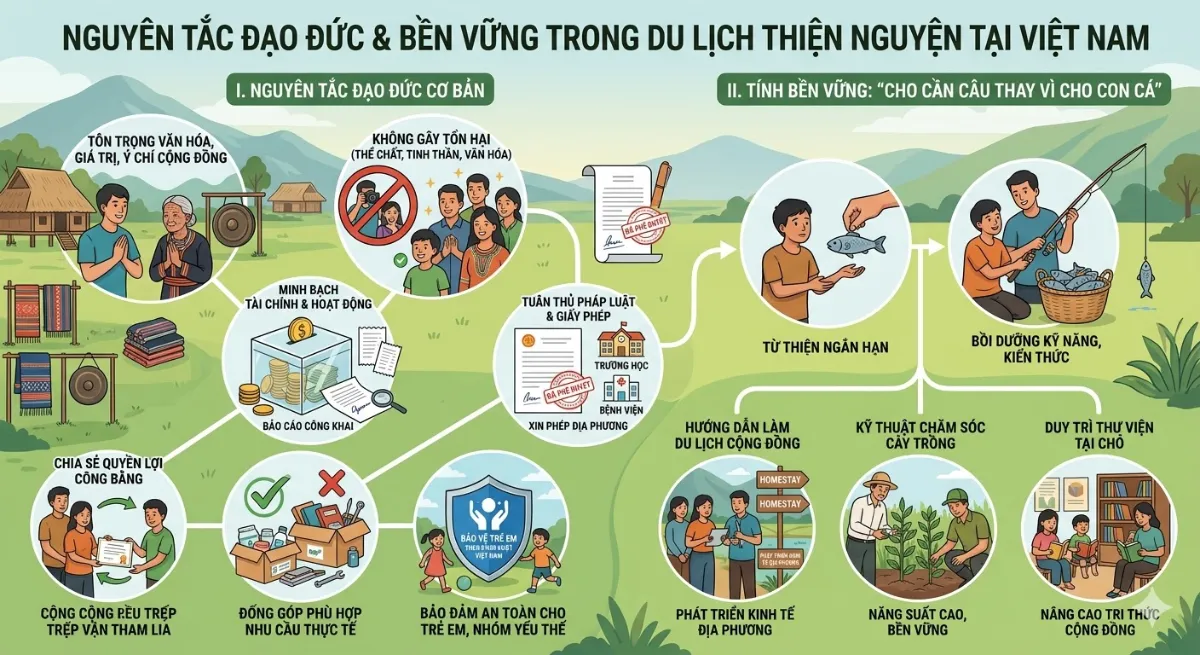
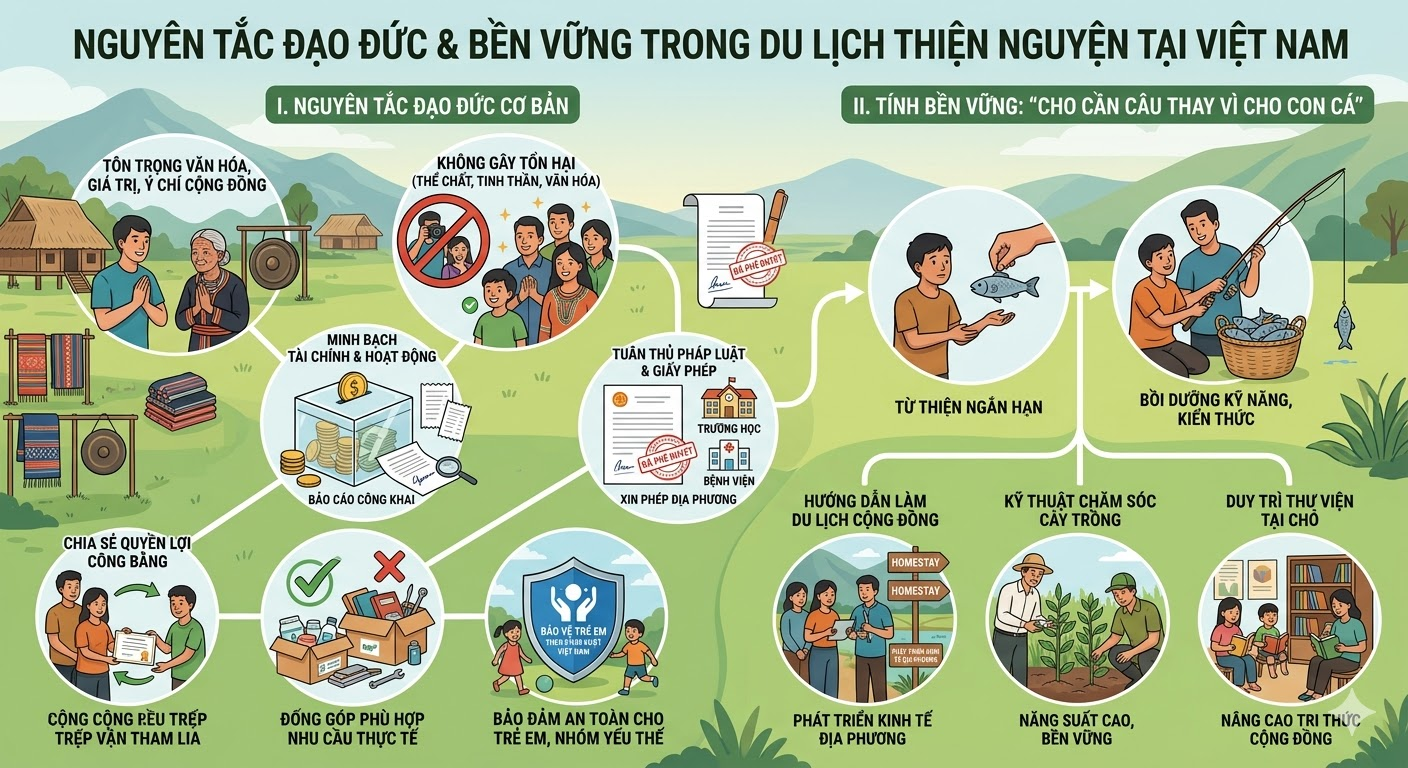
The fundamental ethical principles include respecting local cultures, values, and community choices; avoiding physical, psychological, or cultural harm to local people; maintaining financial and operational transparency; ensuring fair benefit-sharing, with communities directly benefiting from project outcomes; responding appropriately to actual needs; and safeguarding children and vulnerable groups in accordance with child protection standards and Vietnamese law.
All activities must comply with applicable laws and obtain the necessary permits, such as permission from local authorities when conducting activities in schools or hospitals. To ensure sustainability, tours should adopt the principle of “teaching people to fish rather than giving them fish.” This means focusing on building local people's skills and knowledge so they can develop independently over the long term—for example, by providing training in community-based tourism, crop care techniques, or the ongoing management of local libraries.
Common Volunteer Activities in Community-Based Tours
A volunteer tourism programme is typically designed around the actual needs of the local community while ensuring that the activities are suitable for participants. The most common activities are related to education, livelihoods, basic healthcare, and improving living conditions.
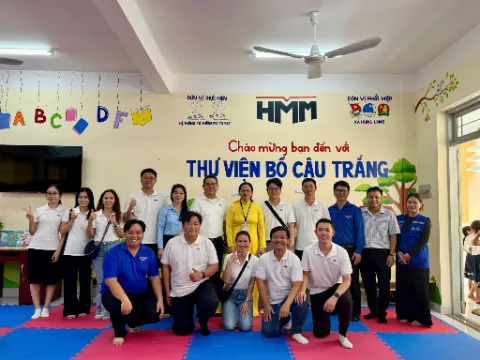
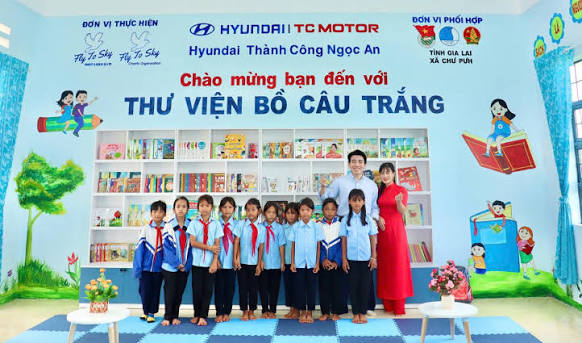
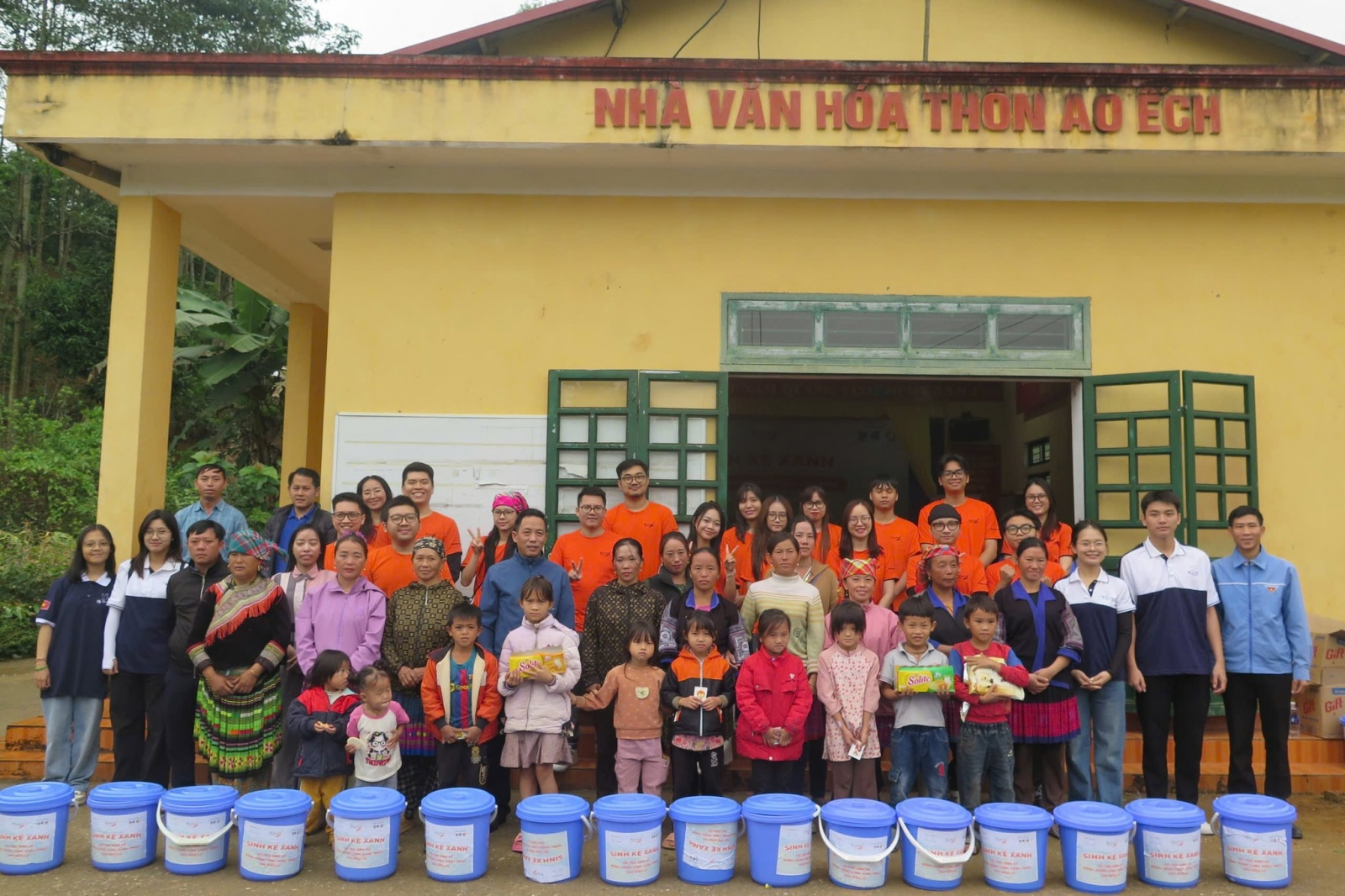
One widely implemented model involves building and donating bookshelves to schools in mountainous areas. Many schools in remote areas still lack reading materials for students, particularly books on life skills, children’s stories, and reference materials. Even a small bookshelf, if properly managed and effectively used, can make a positive difference in children’s reading habits.
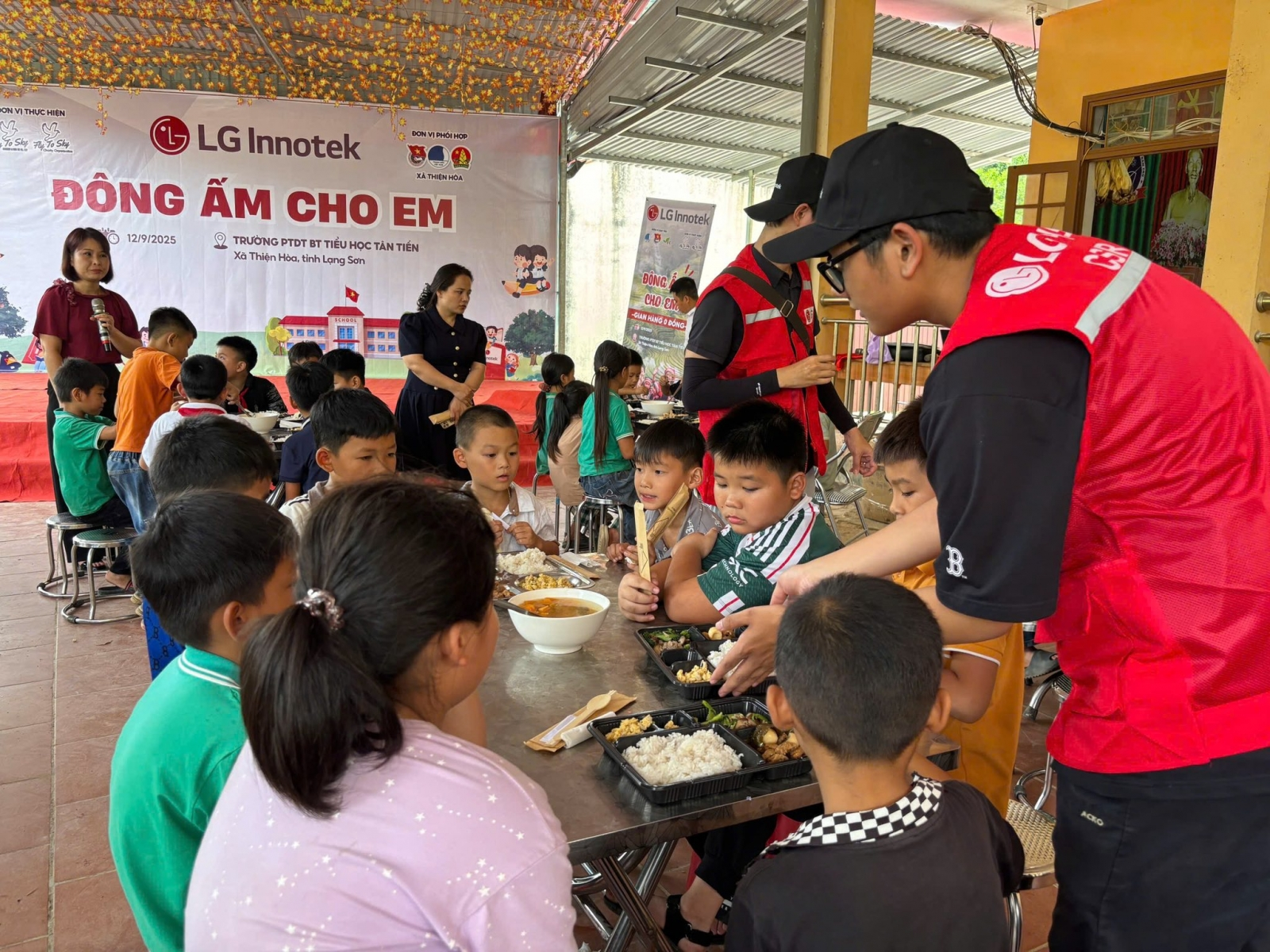
Other activities commonly incorporated into these trips include preparing meals for students who stay at school during the week, donating essential supplies to disadvantaged households, and giving gifts to students who overcome difficulties to pursue their education. These activities not only provide material support but also foster strong emotional connections between participants and local communities.
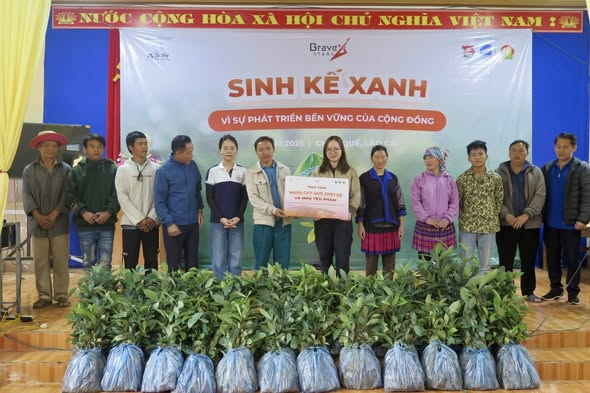
Some programmes focus on longer-term outcomes, such as providing livelihood-supporting plants, supplying livestock breeds, or installing water purifiers in schools and households. These forms of support help improve living conditions, create more stable sources of income, or ensure that students have access to clean drinking water at school.
An important principle of volunteer activities is that they must be designed based on actual needs identified through field assessments. This helps avoid inappropriate forms of assistance and prevents communities from becoming dependent on external support.
The Process of Designing a Volunteer Tourism Tour
For a volunteer tourism programme to deliver meaningful benefits to the community, the tour must be carefully planned and implemented responsibly.
First, the most important step is to assess the needs of the local community. Schools, commune authorities, and community organizations should be consulted to clearly identify priority needs. For example, some areas may need libraries, while others may require clean water or livelihood support. Accurately identifying these needs helps ensure that volunteer activities deliver practical and lasting value.
Next, the programme is developed by balancing volunteer activities with tourism experiences. Visitors not only participate in community activities but also have opportunities to explore natural landscapes, local cultures, and regional cuisine. This combination makes the trip more fulfilling and appealing to a wider range of participants.
In addition, logistics, safety, and legal requirements must be carefully considered. These include transportation, accommodation, insurance, supplies for volunteer activities, and coordination procedures with local authorities.
Finally, evaluating the programme and reporting its results are essential steps after each trip. Information such as the number of books donated, households supported, and students reached, along with photographs and real-life stories, helps demonstrate the programme’s impact.
Suggested Popular Volunteer Tourism Routes in Vietnam
Thanks to its diverse geography and the presence of many disadvantaged areas, Vietnam offers numerous destinations suitable for combining tourism with volunteer activities.
From Hanoi, volunteer tourism routes often head to northern mountainous provinces such as Ha Giang, Lao Cai, Son La, and Cao Bang. These areas are home to many highland schools and ethnic minority communities facing significant challenges. Programmes typically last two to four days and combine volunteer activities with local cultural experiences, trekking, or visits to famous scenic attractions.
Meanwhile, many groups departing from Ho Chi Minh City choose routes to the Central Highlands, including Buon Ma Thuot (Dak Lak) and Gia Lai, where many ethnic minority communities need support in education, access to clean water, and livelihoods. Common activities include establishing small libraries, donating seedlings, providing water purifiers, and organizing cultural exchange programmes with local children.
In addition, the Mekong Delta is another suitable destination for volunteer tourism programmes. Trips to coastal provinces or remote areas can combine donations of essential supplies, support for disadvantaged students, and environmental protection activities such as waste collection and tree planting.
The Value of Volunteer Tourism for Local Communities and Participants
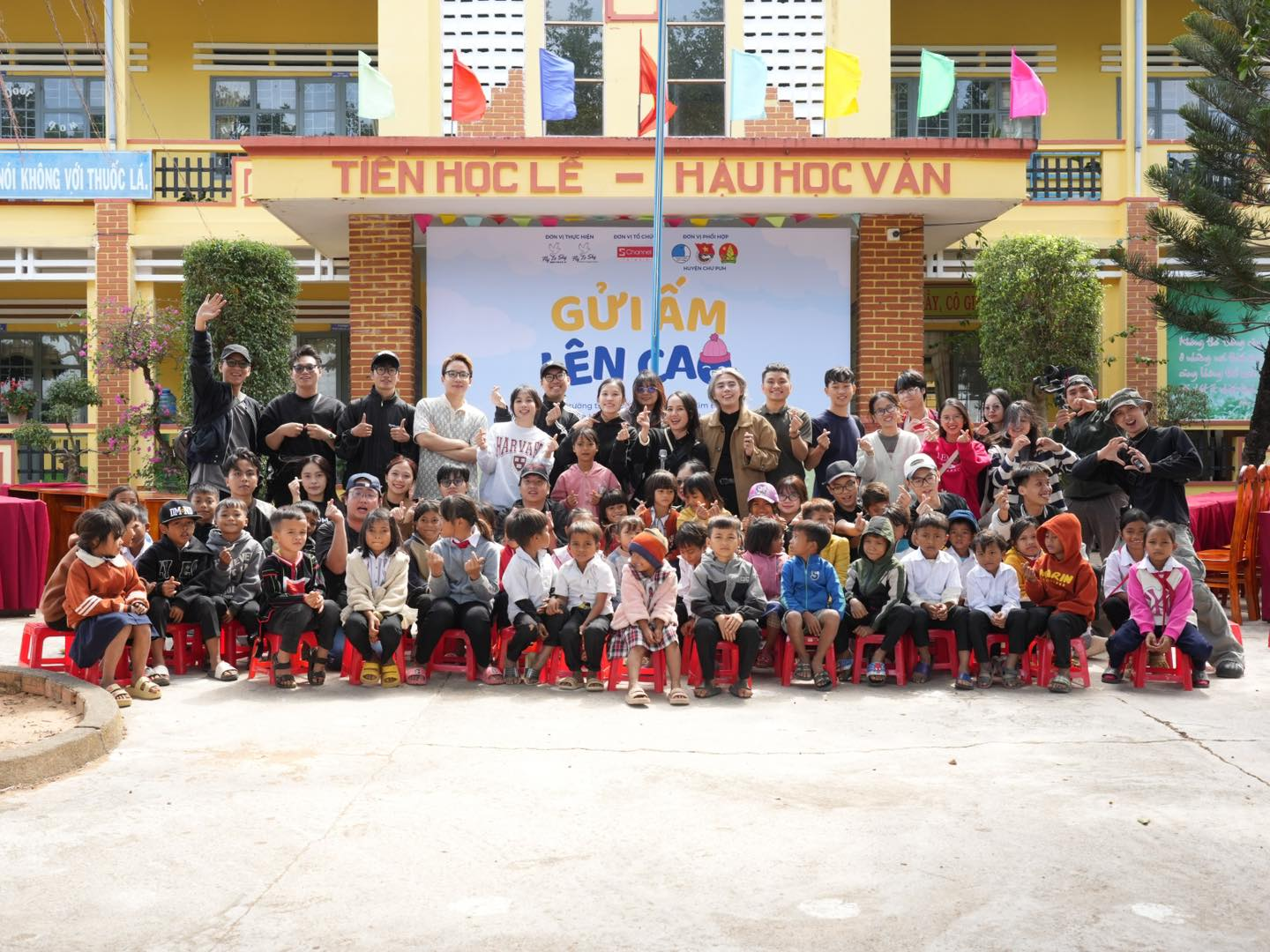
Volunteer tourism brings multiple benefits to both local communities and participants. For local communities, it provides opportunities to access additional social resources, improve learning and living conditions, and promote economic development through tourism-related activities.
For travelers, these trips offer a different dimension of tourism: human connection. Rather than simply sightseeing and taking photographs, participants can make direct contributions to positive social change. This brings a greater sense of purpose and deeper meaning to each journey.
For businesses in particular, volunteer tourism programmes also provide an effective way to implement Corporate Social Responsibility (CSR) and Environmental, Social and Governance (ESG) initiatives. When employees and business partners participate in community activities together, they can also strengthen team cohesion and reinforce corporate culture.
Fly To Sky’s Role in Connecting and Implementing Volunteer Tourism Tours
For a volunteer tourism programme to deliver sustainable value, it requires the involvement of experienced organizations with extensive community networks. In this context, Fly To Sky serves as a partner in connecting stakeholders, designing programmes, and implementing volunteer activities linked to community-based tourism.
With a network of tens of thousands of volunteers and numerous projects implemented across more than 26 provinces and cities, Fly To Sky is able to assess local needs, design appropriate programmes, and coordinate volunteer activities effectively. Initiatives such as establishing bookshelves, providing clean water for schools, donating livelihood-supporting plants, and organizing skills classes for children in disadvantaged areas have been implemented in many localities across Vietnam.
Beyond on-site coordination, Fly To Sky also supports organizations, businesses, and travel groups by connecting them with local communities, developing activity plans, ensuring transparency in the receipt and distribution of community contributions, and documenting and reporting programme results.
By combining tourism with community projects, Fly To Sky aims to create more opportunities for young people, businesses, and travelers to contribute to society together. These trips not only provide memorable experiences but also create lasting positive value for local communities.
Conclusion
Volunteer tourism is not only an emerging trend in the tourism industry but also a way to connect people and spread positive values throughout society. When carefully designed and implemented, these trips can deliver long-term benefits to local communities while providing meaningful experiences for participants.
As demand for responsible tourism continues to grow, combining travel experiences with volunteer activities will create new opportunities for Vietnam’s tourism industry. With the involvement of community organizations such as Fly To Sky, these journeys can go beyond exploration to become meaningful experiences that create lasting value for society.
**30 Ideas for Businesses, Organizations, and Individuals to Partner with Fly To Sky
**Establishing bookshelves for schools in mountainous areasBuilding community librariesSetting up computer rooms in schoolsDonating computers and learning equipmentInstalling water purifiers in schoolsInstalling water filtration systems for community useBuilding new schools or classroomsBuilding school restroomsRenovating and decorating classroomsDecorating school grounds with muralsBuilding playgrounds for childrenBuilding sports facilities for studentsEstablishing school vegetable gardens to improve nutritionEstablishing community medicinal herb gardensPlanting forests for ecological restorationPlanting trees to protect the environmentProviding livelihood-supporting plants to disadvantaged householdsDonating seedlings and agricultural suppliesDonating livestock to support livelihoodsProviding social assistance packages to disadvantaged householdsDonating warm clothing and school supplies to studentsProviding scholarships for underprivileged studentsBuilding kitchens for schools with boarding facilitiesDonating kitchen equipment to school canteensPreparing meals for students staying at school during the weekOrganizing life skills classes for studentsOrganizing foreign language classes for childrenProviding free medical examinations and medicines to local residentsCollecting waste and cleaning up the environmentOrganizing cultural exchange activities with local communities
About Fly To Sky
Fly To Sky is a non-profit charitable network established on September 2, 2018, in Gia Lai, Vietnam. It comprises Fly To Sky Charity And Community Development Support Social Enterprise Company Limited and the Fly To Sky Charity Organization. The network is a member of the National Volunteer Networks under the National Volunteer Center of the Ho Chi Minh Communist Youth Union Central Committee and operates nationwide. As a prominent national charitable network, Fly To Sky has received six national awards and one international award for volunteerism and community service. It has also been recognized by central-level organizations for its outstanding contributions for seven consecutive years.
Fly To Sky has full legal entity status and is legally authorized to mobilize, receive, and manage domestic and international resources and funding. It is a pioneer in providing comprehensive community development and corporate social responsibility solutions in Vietnam. With more than eight years of experience and an extensive nationwide network of volunteers and partners, Fly To Sky has developed an ecosystem encompassing more than 200 programmes and 30 community projects across the country. Its work focuses on five key areas: culture and education, community healthcare, economic support and livelihoods, social welfare, and clean energy and environmental sustainability. These efforts contribute to the United Nations Sustainable Development Goals (17 SDGs) and support its vision of a “Five NOs” future for Vietnam.
Fly To Sky provides end-to-end services, from strategic consulting and project design to budget development, organization and implementation, programme operations, and impact measurement for community development, charitable, CSR, and ESG initiatives tailored to the needs of businesses, organizations, and individuals. Its services also include CSR/ESG strategy consulting; workshop organization; community fundraising and social enterprise campaigns; trade promotion; corporate gifts; and sustainable livelihood support for vulnerable groups. In addition, Fly To Sky provides training to strengthen social project management and coordination capacity, connects resources, mobilizes and manages domestic and international funding, and facilitates employment opportunities for vulnerable groups.
With a commitment to transparency, professionalism, and long-term social impact, Fly To Sky is a trusted partner in advancing sustainable development for communities.
References
- Fly to Sky ↗ (accessed 2026-10-27)