
As climate change becomes increasingly complex and global markets place mounting pressure on businesses to reduce greenhouse gas emissions, the shift towards renewable and environmentally friendly materials in packaging production is becoming an inevitable trend among Vietnamese businesses. Beyond helping mitigate negative environmental impacts, this strategy is also regarded as a “key” to enhancing brand value, meeting sustainable development standards, and creating greater opportunities to participate more deeply in global supply chains.
A Solution to the Emissions Reduction Challenge
Within the production and consumption value chain, packaging has long been regarded as a secondary factor, receiving less attention than production technologies or input materials. However, according to environmental and management experts in Vietnam, when assessing a product’s overall carbon footprint throughout its life cycle, packaging emerges as one of the links with a significant environmental impact, particularly in fast-moving consumer goods industries such as food and beverages.
The use of packaging with high emissions intensity, limited recyclability, or single-use designs not only increases greenhouse gas emissions but also places considerable pressure on waste management systems. Conversely, green packaging solutions—ranging from changes in materials and design to improved recyclability and reusability—can help businesses significantly reduce carbon emissions throughout their supply chains.

In Vietnam, one notable example of this trend is the application of Tetra Recart packaging in the food and beverage industry. This type of packaging is made from renewable raw materials, offers high recyclability, and can reduce carbon emissions over a product’s life cycle by up to 85% compared with traditional tin cans. Beyond its environmental benefits, this solution also helps F&B businesses advance their sustainable development goals while responding to increasingly stringent consumer demand for “green” products.
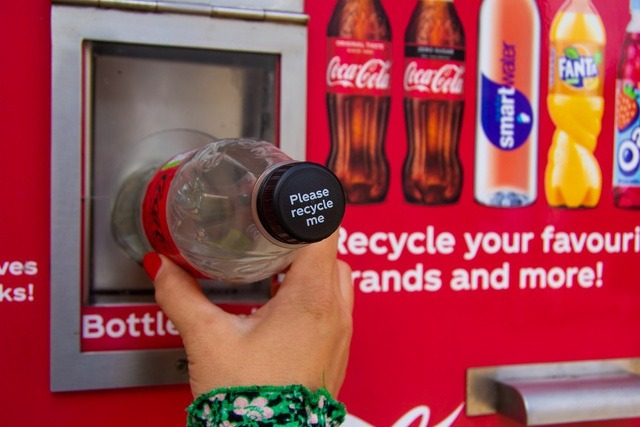
The trend towards environmentally friendly packaging is also being strongly promoted by multinational corporations. A notable example is Coca-Cola and its “World Without Waste” strategy, which aims to use at least 50% recycled materials in its packaging and collect and recycle all bottles and cans placed on the market by 2030. These commitments demonstrate that green packaging is no longer an experimental option but has become an integral part of global brands’ carbon footprint reduction strategies.
From Renewable Materials to the Circular Economy
Beyond its environmental benefits, sustainable packaging is gradually becoming an important competitive factor in the market. For export-oriented businesses, particularly those seeking to enter demanding markets such as the European Union (EU), transparent disclosure of a product’s carbon footprint, including that of its packaging, is increasingly becoming a mandatory requirement.
As carbon adjustment mechanisms and ESG standards become increasingly stringent, businesses cannot limit their efforts to changing raw materials. Optimizing packaging design, reducing material use, and improving recyclability and reusability are key factors in both reducing emissions and enhancing long-term economic efficiency.
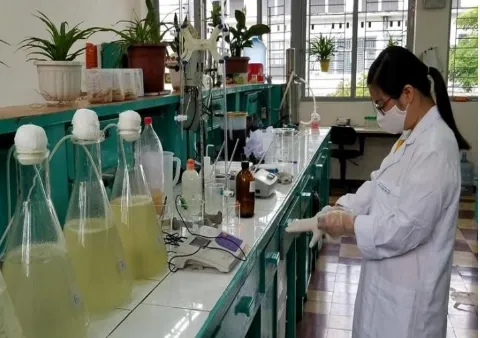
Alongside conventional recycling solutions and the use of renewable materials, initiatives that utilize agricultural bio-based resources are opening up new directions for the packaging industry. In Vietnam, projects that convert cacao husks and coffee grounds into bioplastics and bio-based packaging materials have attracted interest from industry experts and international markets.
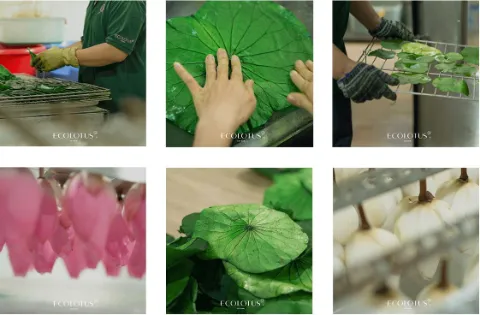
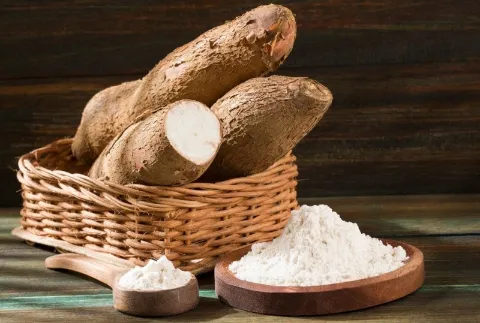
According to information presented at industry exhibitions, packaging products and bio-based pallets made from agricultural by-products not only help reduce waste and add value to agricultural produce but also have significantly lower life-cycle carbon footprints than conventional plastics. In addition, materials derived from rice husks, coconut fibers, and other agricultural residues are being increasingly researched and applied, offering biodegradability and helping reduce environmental pressure.
The use of renewable and bio-based materials in packaging production is creating significant opportunities for Vietnamese businesses in their transition towards a circular economy, compliance with increasingly stringent ESG standards, and efforts to strengthen their position in global supply chains as green consumption continues to grow rapidly.
However, this transition also presents considerable challenges, including high initial investment costs, fragmented recycling infrastructure, and limited awareness among markets and consumers. Therefore, alongside businesses’ efforts to innovate, the State’s role in improving policies, promoting research and development, providing financial support, and implementing green standards will be decisive in ensuring that green packaging can truly become a driver of carbon footprint reduction in industrial production.
References
- Bao bì xanh: Giải pháp giảm carbon cho doanh nghiệp ↗ (accessed 2026 - 10 - 28)