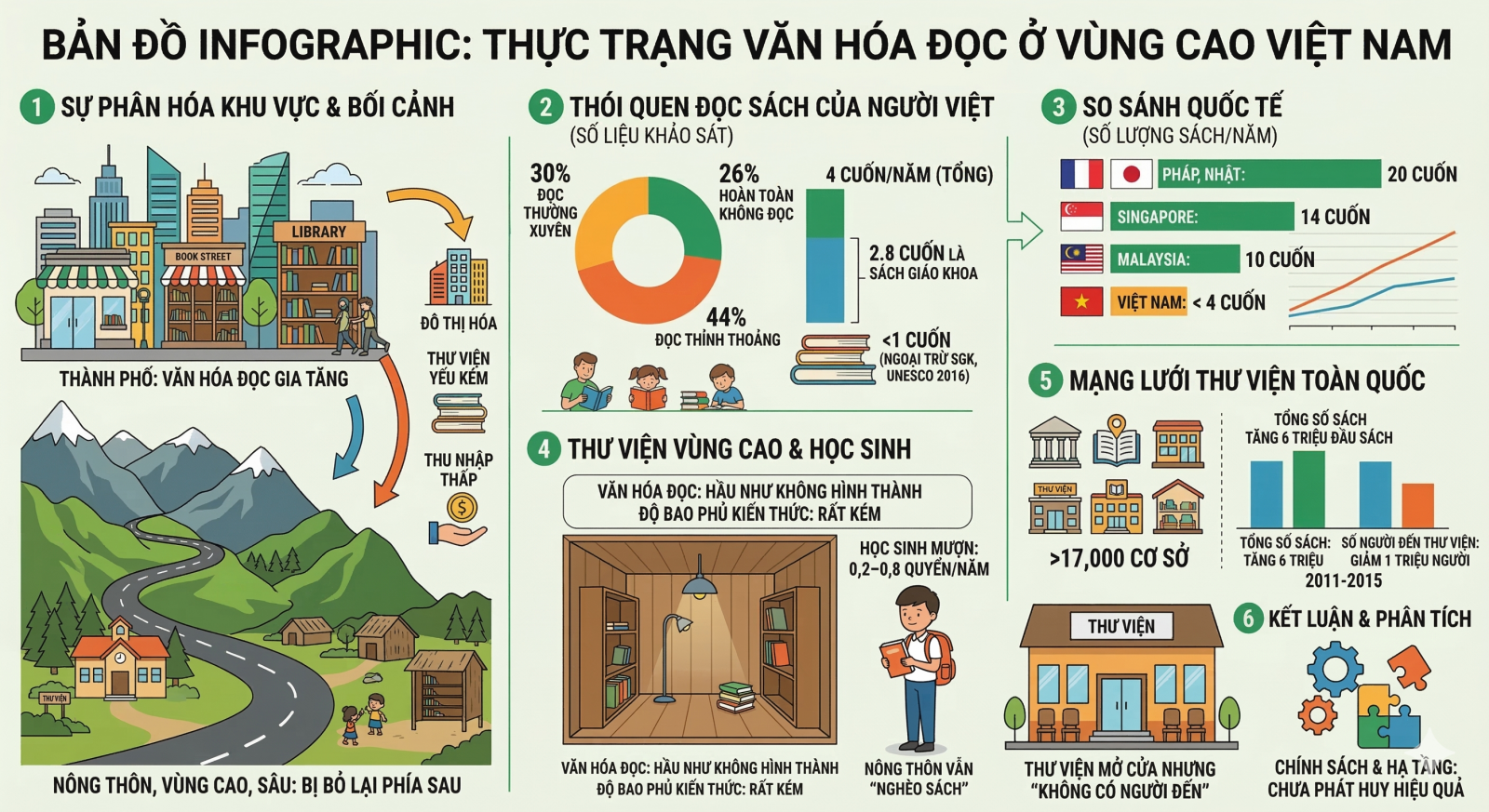
Reading culture in Vietnam varies significantly across regions. In cities, reading habits are becoming more common, while rural, remote and mountainous areas are being left behind. Urbanization, underdeveloped library systems and low incomes mean that many students in mountainous areas have almost no books to read.
Survey data show that 30% of Vietnamese people read books regularly, 26% do not read books at all, and 44% read occasionally. On average, a Vietnamese person reads approximately four books per year (2016), of which 2.8 are textbooks. This figure is much lower than in developed countries (e.g., 20 books per year in France and Japan, 14 in Singapore, and 10 in Malaysia). UNESCO also reported that, excluding textbooks, Vietnamese people read fewer than one book per person per year (2016 survey).
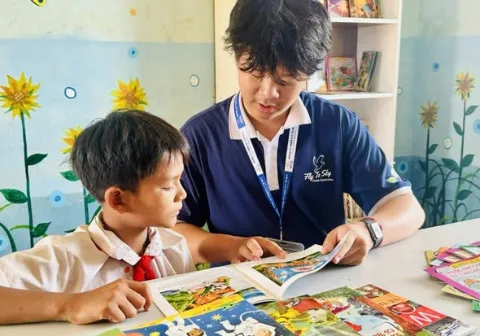
School libraries in rural areas often have very limited book collections and restricted opening hours for students. Volunteer surveys have found that many students in mountainous areas can borrow only 0.2–0.8 books per year. As a result, a reading culture has barely taken root, and access to knowledge remains very limited.
Policies to Promote a Reading Culture
Recognizing this issue, the Government has introduced various policies to promote reading. April 21 of each year was designated as Vietnam Book Day under Decision No. 284/QĐ-TTg in 2014, with the aim of inspiring a passion for reading among people nationwide. Under the Socio-Economic Development Programme for Ethnic Minority and Mountainous Areas for 2021–2030 (Decision No. 861/QĐ-TTg, 2021), an important component is investment in the development of community book collections and libraries in mountainous areas and areas inhabited by ethnic minority communities. In practice, many individuals and organizations have also established community book collections across the country. More recently, the Ministry of Culture, Sports and Tourism issued Decision No. 1974/QĐ-BVHTTDL in 2023 to support 120 community book collections in mountainous communes and ethnic minority areas.
These policies aim to identify areas facing difficulties in accessing reading materials and encourage greater social participation. In this context, corporate CSR initiatives that fund books stand to benefit significantly. Businesses can partner with government programmes, donate books or contribute funding to establish book collections, enabling more coordinated implementation and greater social impact. For example, a company's sponsorship could support the establishment of a library at a mountainous school while also connecting with a local Vietnam Book Day campaign. This approach allows businesses not only to address practical needs but also to improve the effectiveness of their initiatives, potentially benefiting from policy support and broader publicity through media channels.
Fly To Sky’s “White Dove Bookshelf” Project
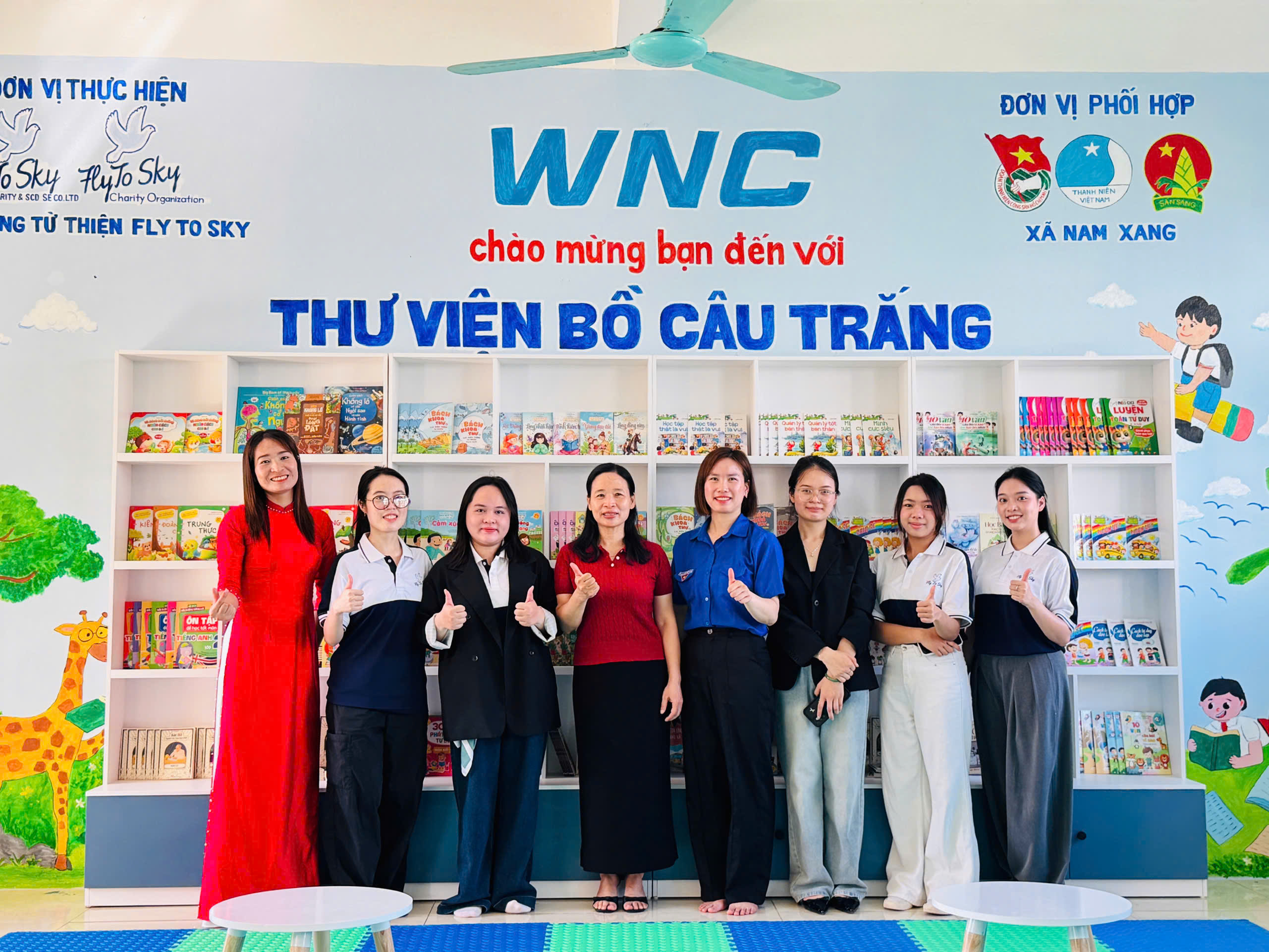
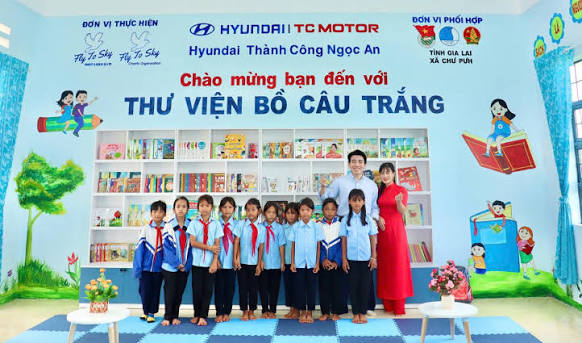
Fly To Sky Charity and Community Development Support Social Enterprise Co., Ltd. and the Fly To Sky Charity Group have implemented the “White Dove Bookshelf” Project since 2019. The project aims to “spread a passion for reading and bring books to children in mountainous, border and disadvantaged areas.”
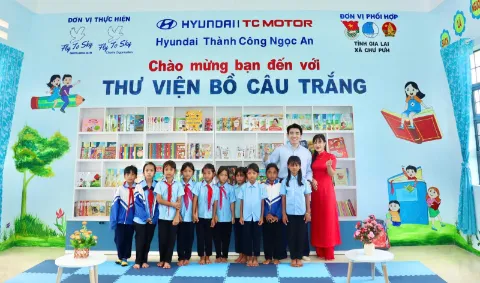
According to Fly To Sky, the project calls on the community to donate books and provide funding to establish bookshelves and libraries at schools in mountainous areas, border-area classrooms, children’s shelters, hospitals and other locations. These facilities are equipped with bookshelves, reading tables and books carefully selected to suit the readers’ age groups. The project also works with teachers and school administrators to organize reading promotion activities, such as dedicated reading sessions and reading clubs, to nurture reading habits and foster a reading culture within the community.
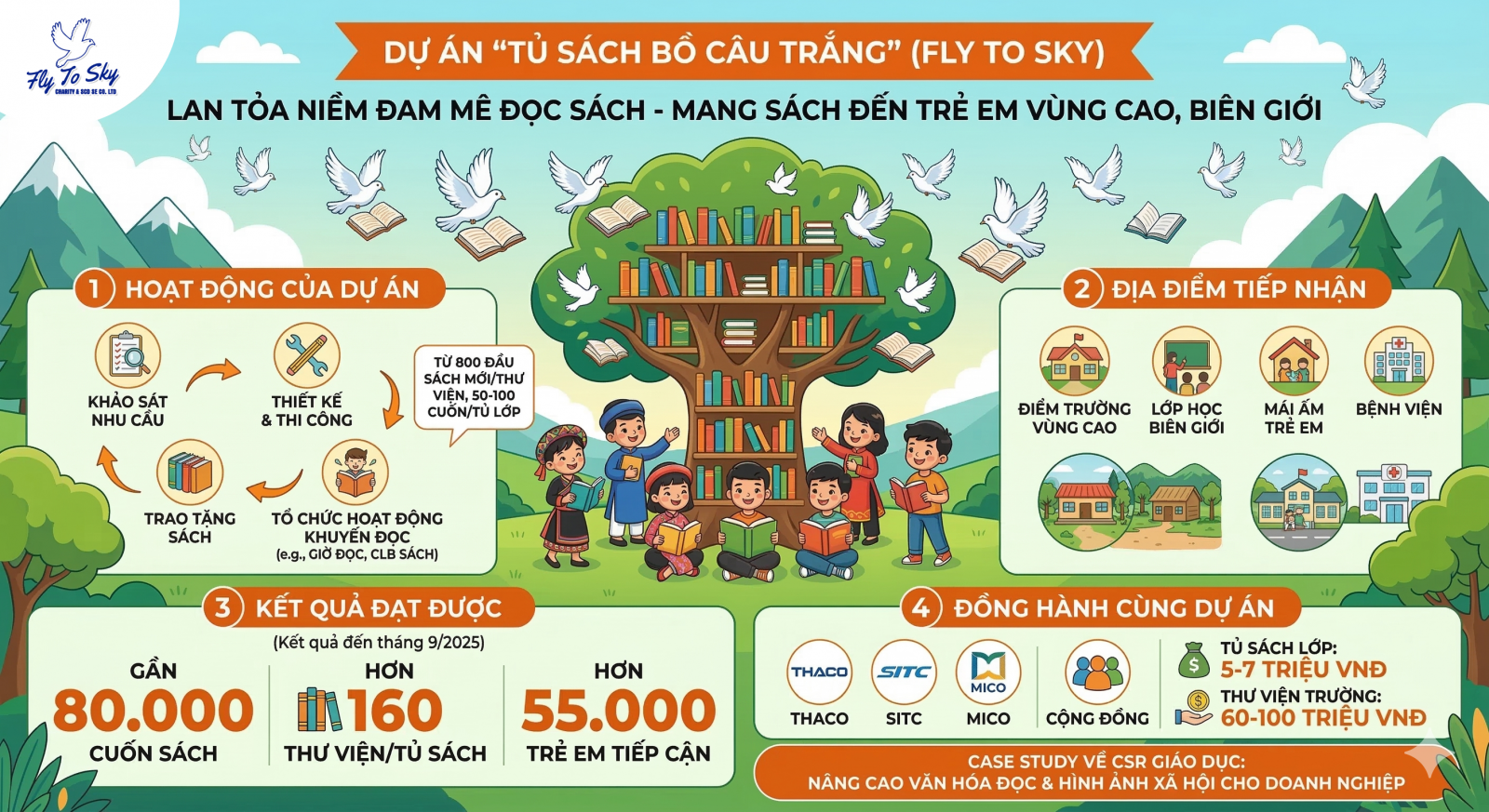
The project’s main activities include several key steps: conducting surveys and assessing schools’ needs; designing, constructing and installing bookshelves (including shelving, reading tables and chairs, and reading lights); donating books (at least 800 new titles for each library and 50–100 books for each smaller classroom bookshelf); supporting reading sessions; and organizing reading promotion activities, such as dedicated reading periods and book clubs, for students and the wider community. The project goes beyond simply donating books. It also monitors and evaluates its impact, trains teachers to manage and operate libraries, and helps students develop regular reading habits.
Results Achieved: As of September 2026, the project had donated more than 80,000 books and established over 160 libraries and book collections at schools in mountainous areas, children's shelters, and other community facilities. Through these efforts, more than 55,000 children have gained access to books and been encouraged to develop a love of reading.
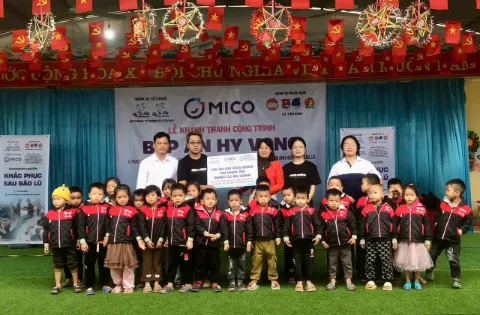
These achievements demonstrate the potential of a library-based Corporate Social Responsibility (CSR) model to mobilize resources and support from across society. With contributions from communities and businesses, including partnerships with organizations such as THACO, SITC, and Mico (according to information provided by Fly To Sky), the project has delivered tangible benefits to children and local communities.
The White Dove Libraries have been developed with facilities and resources tailored to different educational needs, with estimated investment costs ranging from VND 5–7 million for a classroom book collection to VND 60–120 million for a larger school library equipped with a dedicated reading space.
In conclusion, the “White Dove Bookshelf” Project is a typical case study of educational CSR. It has translated the goal of supporting disadvantaged children’s education into practical action, helped foster a community reading culture, and enabled participating businesses to strengthen their social image. By taking part in the project, businesses not only contribute to human development but also build public trust and attract greater community engagement.
Benefits of Library-Based CSR for Businesses
Corporate Social Responsibility (CSR) is a framework that encourages businesses to use their resources to help address community issues. In the context of book shortages in mountainous areas, educational CSR initiatives, such as building libraries and donating books, offer businesses a meaningful strategy. Beyond helping companies build credibility and strengthen their brand image through humanitarian activities, investing in a reading culture also contributes to educating the future workforce and creating a sustainable business environment in the long term. Many major corporations in Vietnam have taken the lead in adopting this approach to CSR.
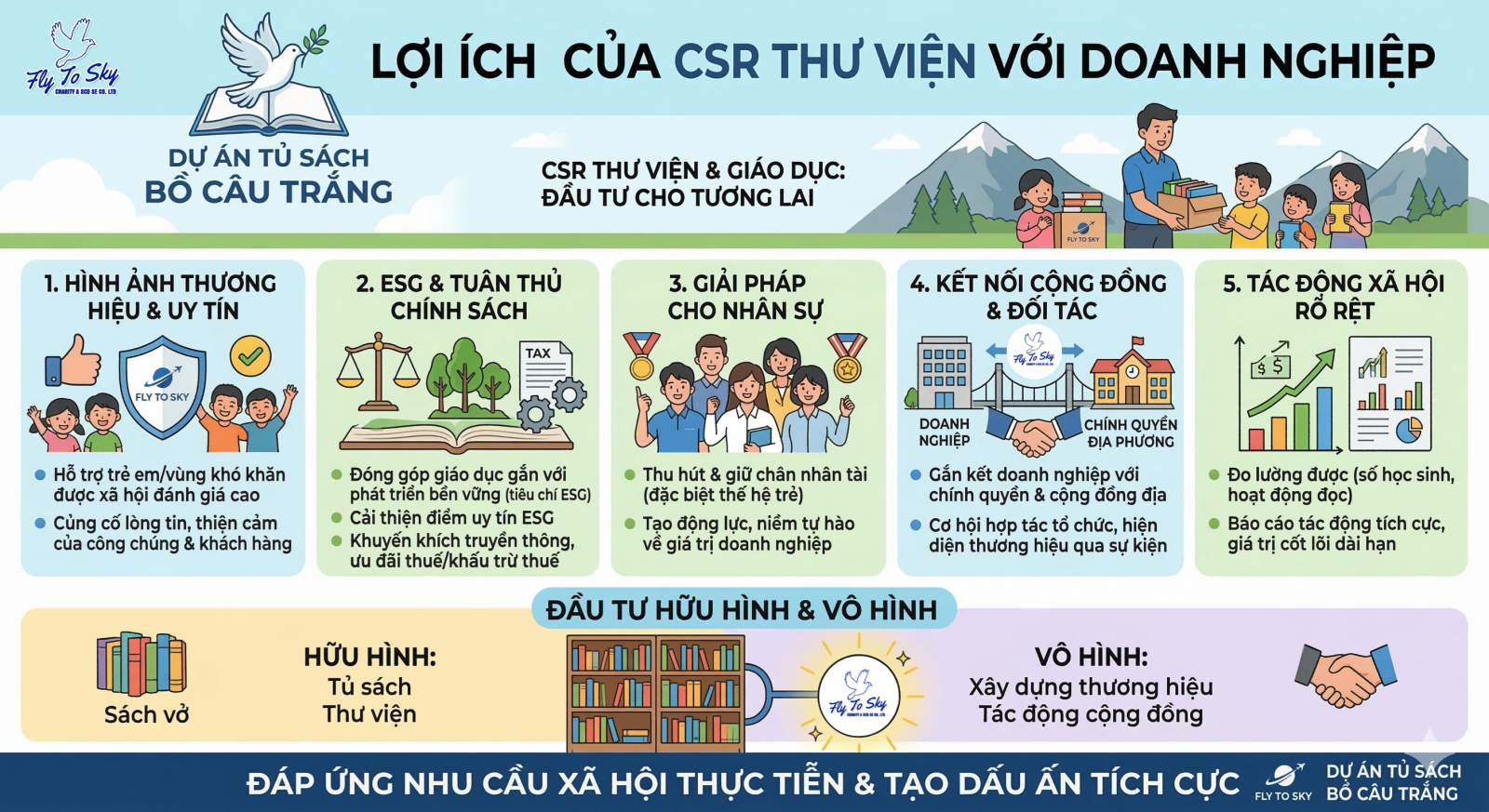
Investing in library and literacy projects brings businesses several strategic benefits:
Brand Image and Reputation: CSR activities in education, particularly those supporting children and disadvantaged areas, are highly valued by society. Research suggests that customers and communities tend to support socially responsible brands, strengthening public trust and goodwill towards businesses.
ESG and Policy Compliance: Contributions to education are closely linked to sustainable development and are an important aspect of ESG (Environmental, Social and Governance). Businesses implementing CSR initiatives in education can enhance their ESG reputation and may benefit from communication support or tax incentives and corporate income tax deductions, where applicable.
Human Resources Solutions: Employees, especially younger generations, increasingly value socially responsible workplaces. Companies with effective CSR initiatives can find it easier to attract and retain talent, while fostering employee motivation through pride in their company's values.
Community and Partner Engagement: CSR serves as a bridge connecting businesses with local authorities and communities. Participating in reading projects creates opportunities to collaborate with organizations such as Fly To Sky and education authorities, while strengthening brand visibility through events and communication channels.
Tangible Social Impact: Library-based CSR projects deliver measurable results, such as the number of students gaining access to books and the reading activities organized. These outcomes help businesses demonstrate their positive impact and commitment to the community, while reinforcing their core business values through a long-term commitment to social good.
In general, CSR in education represents both a “tangible” and an “intangible” investment: tangible in the form of books and libraries, and intangible in terms of brand building and community impact. Therefore, businesses have good reasons to support projects such as the White Dove Bookshelf, addressing practical social needs while creating a positive and lasting impression of their brands.
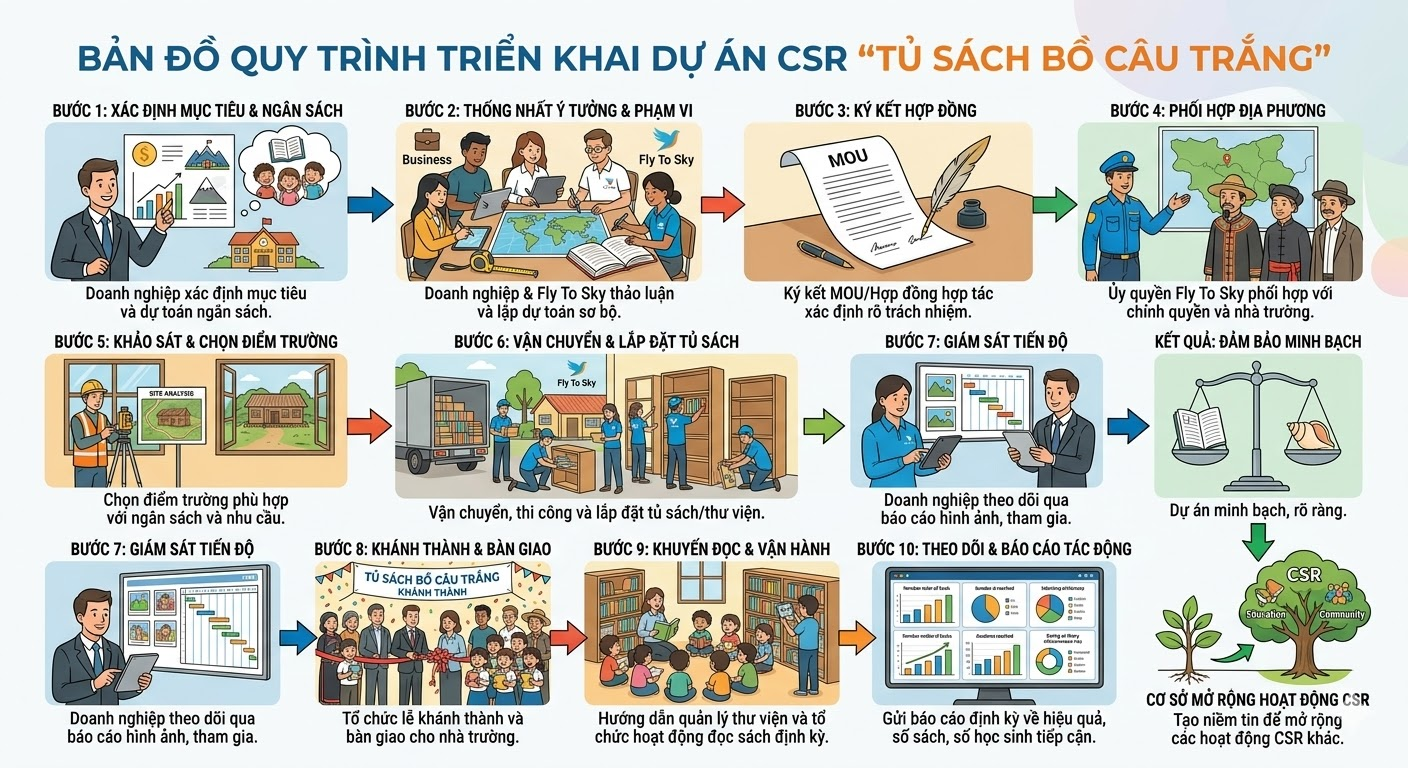
The implementation process for the “White Dove Bookshelf” CSR project is designed to be simple and transparent, allowing businesses to provide funding and monitor progress while authorizing Fly To Sky to coordinate implementation with local authorities and schools.
First, the business defines its CSR objectives and estimated budget for the project, such as establishing a classroom bookshelf or a school library in a mountainous area. Based on these objectives, the business and Fly To Sky agree on the concept and scope of support, then prepare a preliminary budget to determine an appropriate project scale.
Once the overall direction has been agreed upon, the two parties sign a Memorandum of Understanding (MOU) or cooperation agreement to clearly define their responsibilities, the business’s monitoring rights, and Fly To Sky’s coordination role. Fly To Sky then works with local authorities and schools to conduct surveys and select a suitable school based on the available budget and actual needs.
Once the location has been confirmed, Fly To Sky arranges book transportation and carries out the construction and installation of bookshelves or libraries according to the plan. The business can monitor progress through photographic reports, regular updates, or direct participation in project activities.
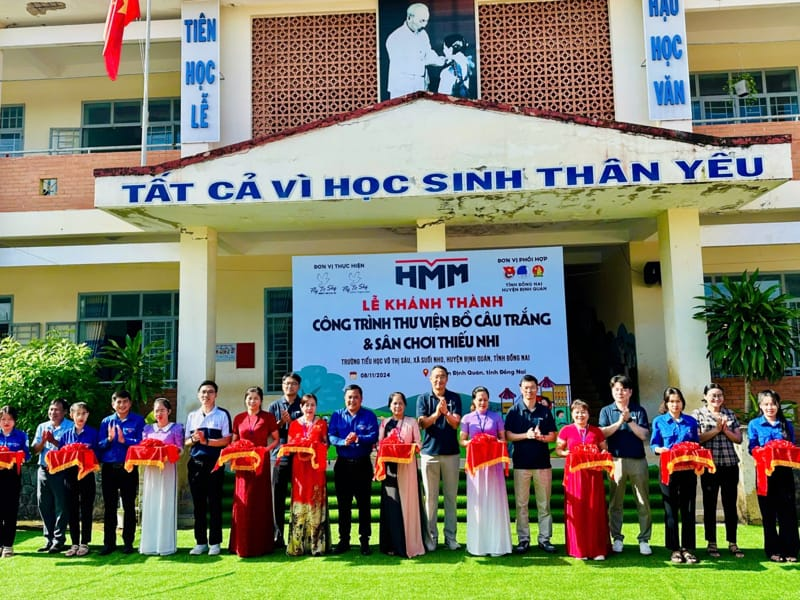
Upon completion, an inauguration and official handover ceremony is held at the school, attended by representatives of the business, Fly To Sky, local authorities, and students. This also provides an opportunity to raise awareness of the programme’s value and recognize the business’s contribution to the community.
Fly To Sky then works with teachers to organize reading promotion activities, provide guidance on bookshelf management, and help students develop reading habits. These activities can be maintained on an annual basis to ensure that the library is used effectively over the long term.
Finally, Fly To Sky monitors and evaluates the project and submits an impact report to the business. The report includes the number of books provided, the number of students reached, photographs of project activities, and the library’s effectiveness after opening. This helps ensure project transparency while providing a basis for businesses to continue expanding their CSR initiatives in education and reading culture in the future.
Conclusion and Call to Action
The “White Dove Bookshelf” Project has demonstrated the effectiveness of a community library-based CSR model. With the joint efforts of businesses and the community, thousands of children in mountainous areas have gained opportunities to access knowledge through books. We call on businesses to continue working together to expand the project.
Promoting a reading culture in mountainous areas is a shared responsibility of society, with businesses playing an important role through CSR initiatives. By funding bookshelves, libraries and reading promotion programmes, companies can both sow the “seeds of knowledge” and build a responsible brand image that is closely connected to the community
References
- Fly to Sky ↗ (accessed 2026 - 20 - 27)