For many years, biogas produced from livestock waste in anaerobic digesters has primarily been used for cooking in households and farms. However, at small- and medium-sized livestock farms, the daily volume of animal waste can generate hundreds of cubic meters of biogas. When cooking demand is insufficient to consume the entire volume, excess gas is often burned off or released directly into the environment, causing unpleasant odors and increasing greenhouse gas emissions.
Recognizing this potential, engineer Pham Duc Tho and his colleagues from Hanoi University of Science and Technology and Vietnam National University of Agriculture proposed research into a biogas-powered electricity generator. The initiative was implemented under the Low Carbon Agricultural Support Project (LCASP), funded by the Asian Development Bank (ADB) and managed by the Ministry of Agriculture and Rural Development (now the Ministry of Agriculture and Environment) since 2013.
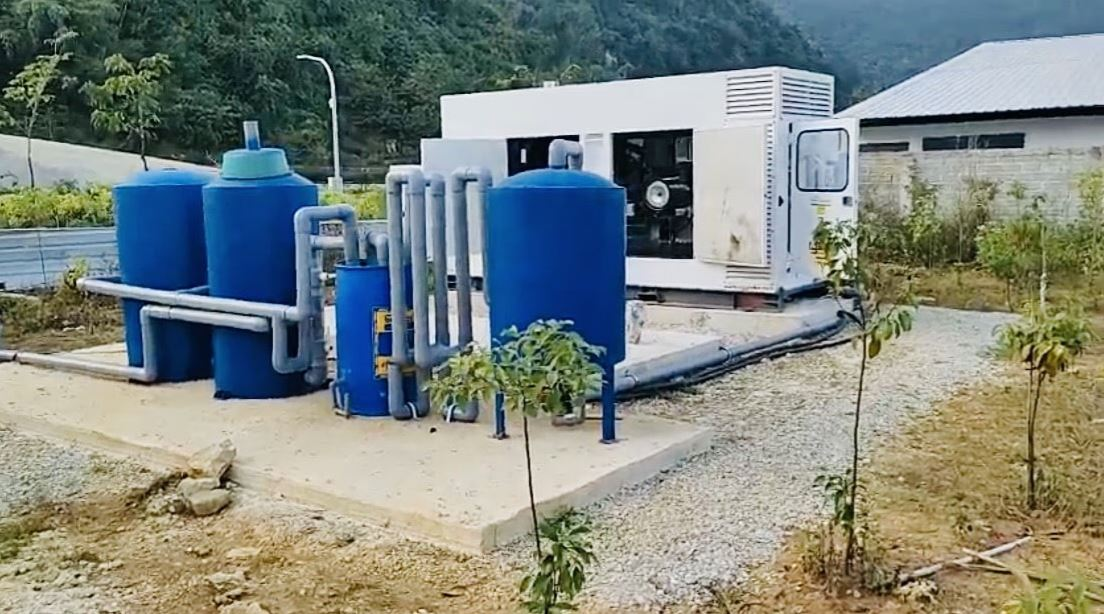
Translating the research concept into practical applications presented several technical challenges because biogas has unstable characteristics and often contains high levels of moisture and impurities such as hydrogen sulfide (H₂S), which can corrode equipment and affect engine performance.
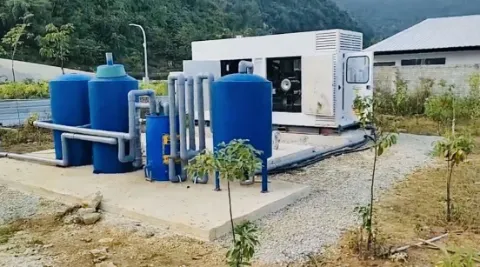
To address these issues, the engineering team designed a gas filtration system capable of removing approximately 80% of moisture and maintaining the H₂S concentration at the outlet below 100 ppm. In addition, engine components, including the combustion chamber and compression ratio, were modified to suit the characteristics of biogas fuel.
Another challenge was that biogas pressure and quality could fluctuate depending on the operating conditions of the anaerobic digesters. Therefore, the generator system needed to maintain stable rotational speed, voltage and frequency. The research team designed an automatic control system combined with monitoring sensors to ensure stable engine operation even when fuel supply conditions changed.
Alongside these technical improvements, the equipment casing was manufactured from synthetic resin fiber to reduce corrosion and weight, making installation at livestock farms more convenient. This solution also helps reduce costs by approximately 30% compared with certain similar systems imported from overseas.
Notably, Internet of Things (IoT) technology has also been integrated into system management and monitoring. This enables remote equipment monitoring and supports operation, maintenance and servicing, particularly for farms located in remote areas.
As the LCASP project approached its conclusion, several key members of the research team decided to establish EGreen Technology Joint Stock Company in February 2017 to continue refining the technology and gradually bring biogas-based power generation solutions into practical application.
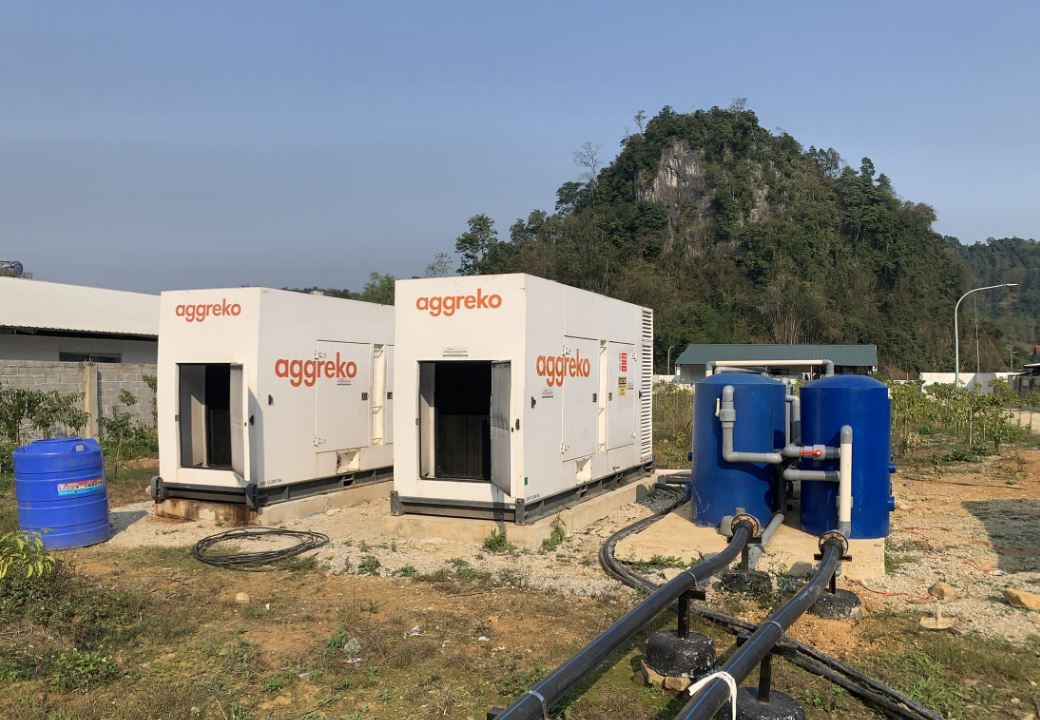
In addition to technological development, the implementation model was designed to reduce investment risks for livestock farms. Some biogas power generation systems are deployed under the Energy Service Company (ESCO) model, whereby the service provider finances the entire system and takes responsibility for its operation and maintenance. Farms use the electricity generated by the system and pay at competitive rates, allowing them to reduce electricity costs without making an initial capital investment.
According to statistics for the period from May 2022 to June 2023, the deployed biogas power generation systems and gas filtration equipment produced more than 18 million kWh of electricity. This amount of electricity was equivalent to an estimated reduction of approximately 157,000 tonnes of CO₂ emissions.
Beyond environmental benefits, utilizing biogas also delivers significant economic advantages. Total savings on electricity and cooking fuel costs are estimated at more than USD 600,000 annually. At the same time, thousands of farms and households have gained access to biogas treatment equipment, helping raise awareness of waste management and energy efficiency in livestock production.
As the agricultural sector moves towards green development and emissions reduction, making effective use of bioenergy generated from livestock waste is considered a promising approach. Beyond waste treatment, biogas-based power generation solutions help create renewable energy sources on-site, reduce dependence on fossil fuels and promote a circular and sustainable agricultural model.
References
- Hiệu quả môi trường và kinh tế từ giải pháp năng lượng sinh học ↗ (accessed 2026 - 08 - 24)