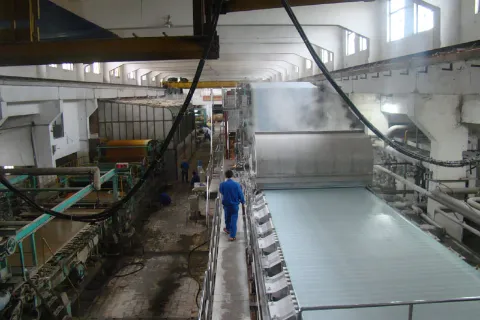
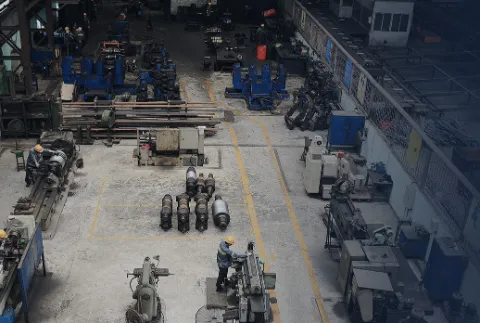
According to studies on industrial energy consumption, steel production consistently ranks among the most energy-intensive industries in terms of electricity and fuel use. Energy costs account for a significant share of total production costs, while steelmaking and rolling processes also generate substantial greenhouse gas emissions.
In addition to the need to enhance competitiveness, steel manufacturers must now adapt to international market trends, as many countries are introducing stricter environmental standards, Carbon Border Adjustment Mechanisms (CBAM) and sustainability requirements across supply chains.
Against this backdrop, investing in technological innovation, improving energy efficiency and reducing emissions have become essential requirements for steel manufacturers.
Improving Energy Efficiency
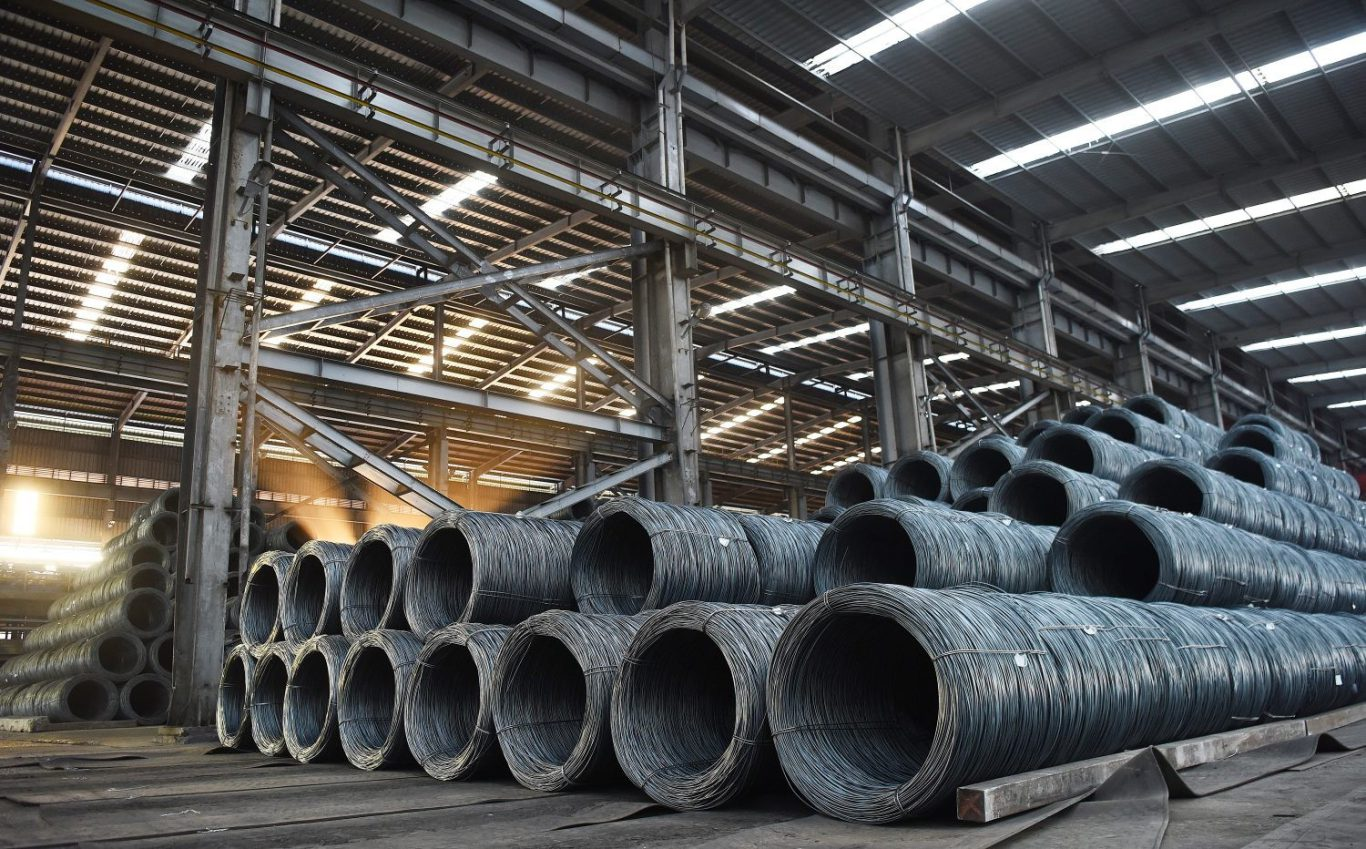
Commencing operations in 1995, NatSteelVina Co., Ltd. is a joint venture between Vietnam Steel Corporation (VNSTEEL) and a Singaporean partner, specializing in the production of construction steel.
In recent years, the company has gradually invested in upgrading its production lines, with the aim of improving energy efficiency throughout its manufacturing processes. Rather than spreading its investments across multiple areas, NatSteelVina has focused on targeted, in-depth improvements, combining energy management, operational optimization and technological innovation to enhance the performance of its existing equipment systems.
The main focus of these improvements has been the billet reheating furnace, the most energy-intensive stage of the steel production process. The company has developed furnace operating procedures tailored to different billet sizes and rolling capacities, while optimizing heating settings to meet technical requirements and reduce fuel consumption. According to the company, this measure has helped save approximately 3.86% of energy consumed by the reheating furnace.
In parallel, various auxiliary systems have been reviewed and upgraded to reduce energy losses. These measures include installing an automatic power factor correction system for the low-voltage electrical network, helping save approximately 2.5% of electricity consumption; replacing air compressors with variable frequency drive (VFD)-controlled units; upgrading the compressed air distribution network; and installing VFDs for the reheating furnace fans, thereby reducing fan motor electricity consumption by approximately 25%. The water supply, wastewater treatment and lighting systems have also been improved through the adoption of high-efficiency equipment and optimized operating practices.
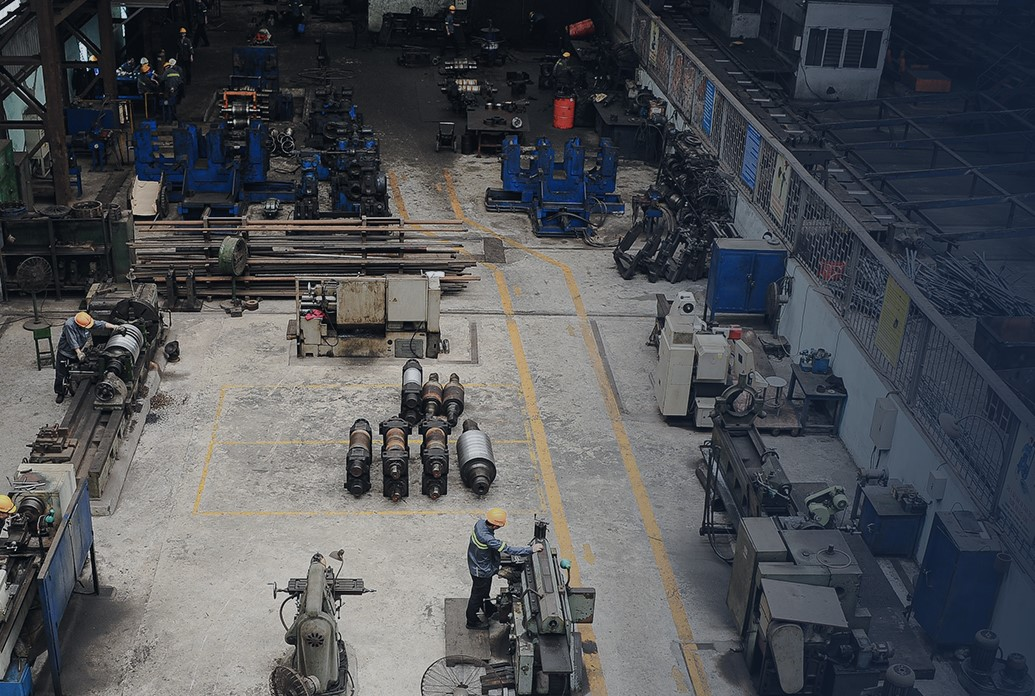
Alongside technical solutions, the company places particular emphasis on energy management. An online energy consumption monitoring system has also been implemented, enabling the company to track electricity and fuel consumption across individual production areas, promptly detect anomalies and adjust operating practices accordingly.
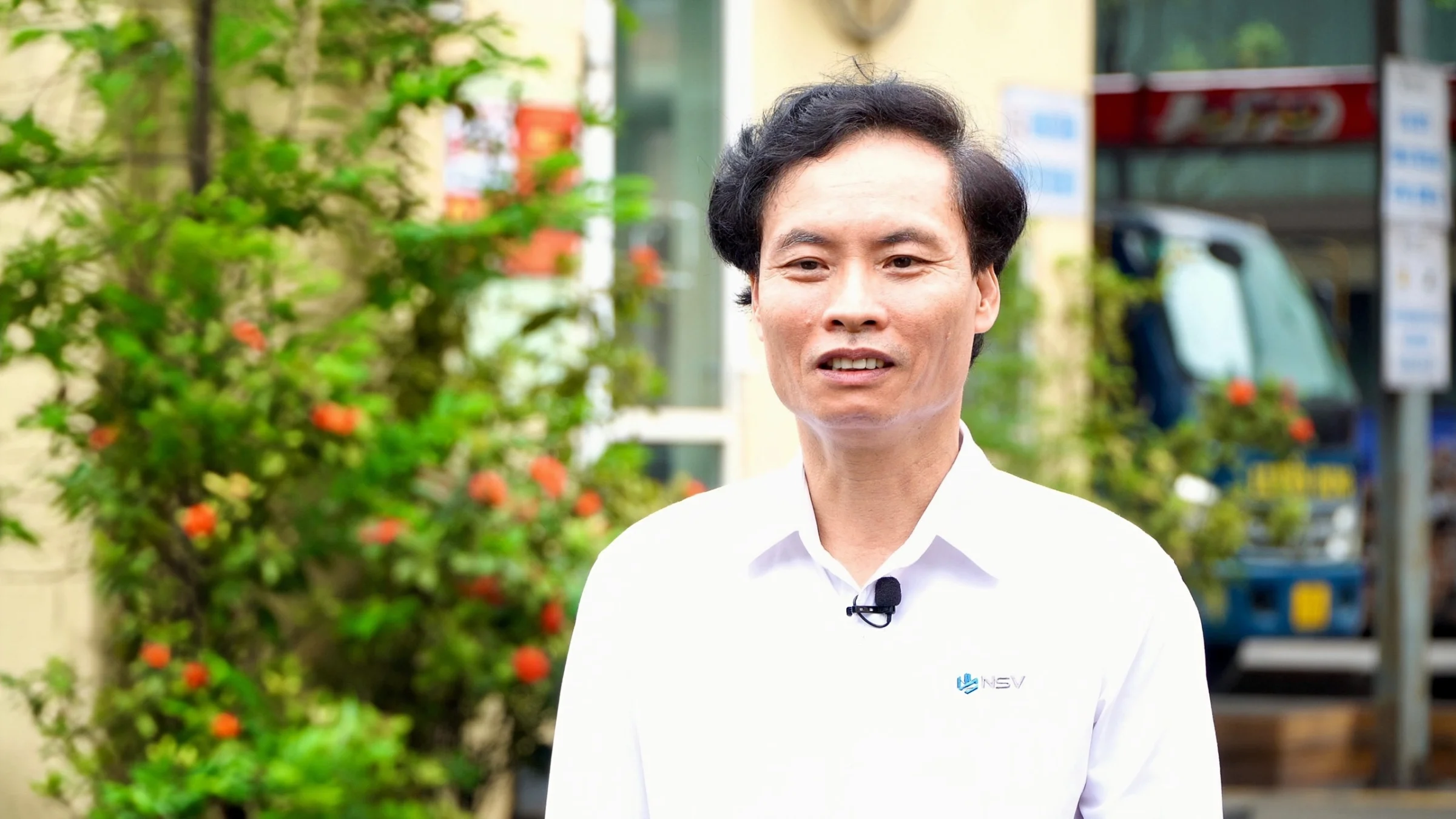
According to Mr. Le Khac Giang, Deputy Head of the Energy and Greenhouse Gas Management Department at NatSteelVina Co., Ltd., the company has established and operated an energy management system in accordance with the Law on Economical and Efficient Use of Energy. An Energy Management Board has been established, with clear responsibilities assigned to each member. The system is maintained through the issuance of policies and targets for economical and efficient energy use; the development of annual and medium-term energy-use plans; monitoring, compiling statistics and reporting on energy consumption; conducting periodic energy audits; and establishing optimized operating procedures for key energy-consuming systems, including electricity, steam, water, compressed air and auxiliary equipment.
“The company also regularly organizes training sessions to raise employees’ awareness of economical and efficient energy use, helping foster an energy-conscious culture throughout the organization. The coordinated implementation of the energy management system has helped the company improve energy efficiency, reduce production costs, comply with legal requirements and move towards sustainable development,” Mr. Le Khac Giang emphasized.
Towards Greener Production
Alongside measures to improve energy efficiency, NatSteelVina has gradually invested in a comprehensive range of environmental protection facilities, focusing on pollution control at source. The company has built and commissioned an industrial wastewater treatment system with a capacity of 400 m³ per hour, meeting the requirements for treating all wastewater generated during production before it is discharged into the environment.
In addition, the company has invested in upgrading its rainwater and wastewater collection systems to ensure separate drainage networks, minimizing the risk of cross-contamination and ensuring more effective water resource management. In areas where dust is generated, such as raw material storage yards, steel rolling lines and internal transport routes, the company has installed dust extraction and filtration systems, as well as water mist suppression systems. These measures help improve working conditions for employees and reduce dust emissions into the surrounding environment.
Regarding solid waste, NatSteelVina sorts waste at source, organizes its collection and storage in accordance with regulations, and transfers it to licensed entities for treatment, recycling or disposal. This helps minimize impacts on soil, water and air while promoting more efficient resource use in line with circular economy principles.
NatSteelVina has also proactively incorporated greenhouse gas emissions reduction targets into its long-term development strategy. As early as 2019, the company joined the Vietnam Partnership for Market Readiness (VNPMR), a project funded by the World Bank. Through this project, the company has gradually adopted international methodologies for greenhouse gas inventories, developed an emissions data collection system and prepared reports in accordance with guidance from state management agencies. Participation in the programme has not only strengthened the company's emissions management capacity but also laid the groundwork for adapting to carbon pricing mechanisms and emerging market requirements in the future.
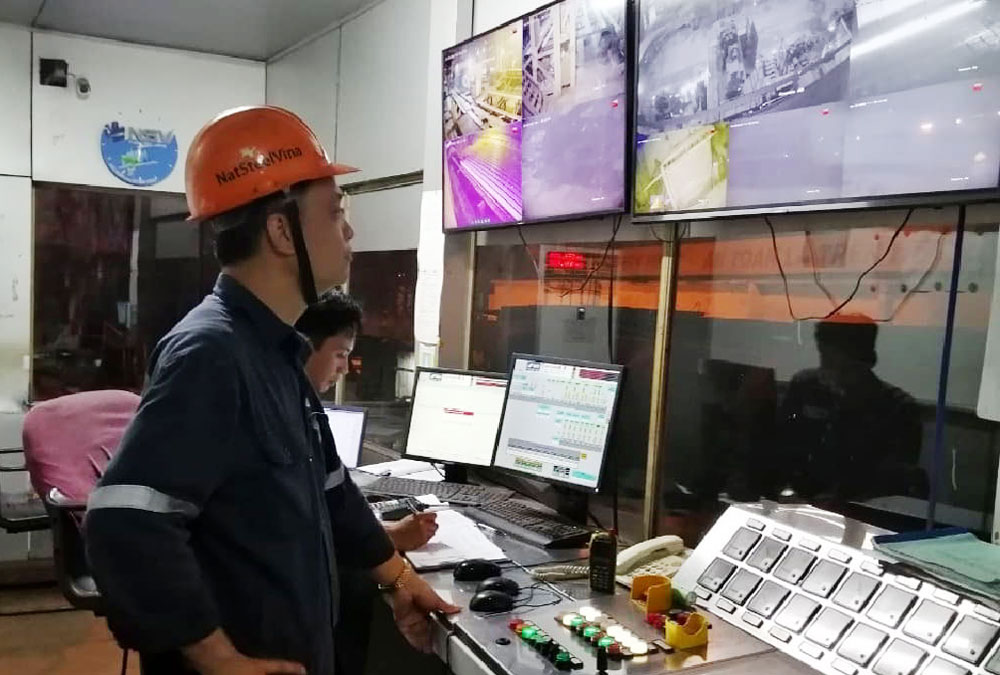
In recent years, alongside the implementation of the Government’s greenhouse gas inventory requirements, NatSteelVina has continued to undertake various initiatives to strengthen its carbon emissions management. The company conducts periodic greenhouse gas inventories, reviews and audits emissions data, develops a system to monitor CO₂ emissions at each stage of production, and prepares emissions reduction reports to support corporate management and meet the requirements of regulatory authorities.
In parallel, the company has researched and implemented various technical solutions to reduce emissions directly at the production stage. These include optimizing furnace operating conditions to reduce fuel consumption; replacing conventional control systems with Programmable Logic Controller (PLC) systems to improve combustion efficiency and provide better control over operating parameters; and assessing the feasibility of investing in a rooftop solar power system combined with energy storage solutions to supplement the electricity supply for production activities with clean energy.
The achievements in energy management, environmental protection and greenhouse gas emissions reduction demonstrate that NatSteelVina is not only striving to improve production efficiency but also proactively adapting to the global steel industry's shift towards green development. Coordinated investment in technology, management systems, energy efficiency measures and emissions control has laid the foundation for the company to gradually achieve its sustainable production goals.
References
- SCP I https://scp.gov.vn/tin-tuc/t24639/chuyen-doi-xanh-trong-nganh-thep I 2026-11-04