1. Scientific Definition: What Is a Landslide?
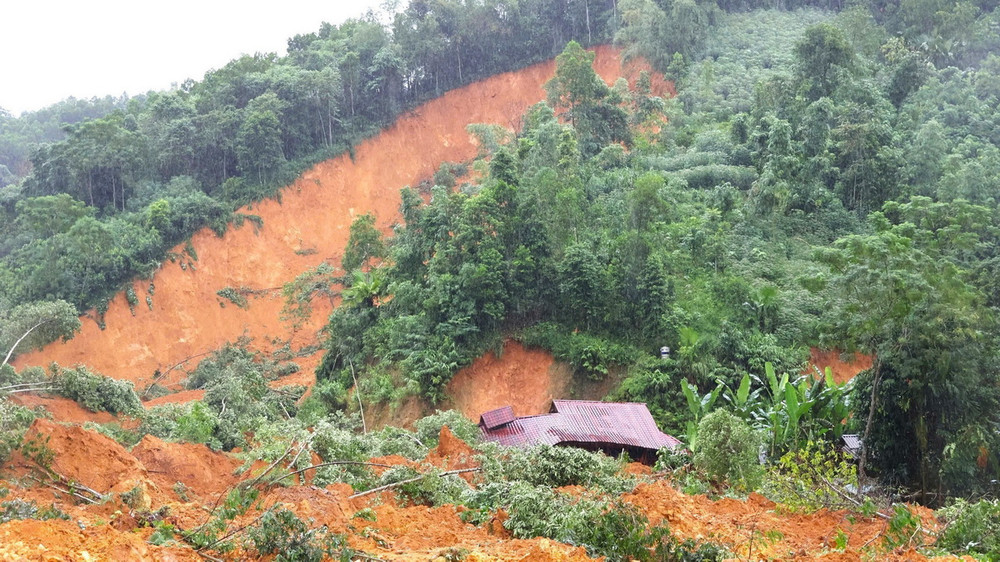
A landslide is the term used to describe the movement of a mass of soil, rock, debris, or a mixture of mud and earth down a slope. This phenomenon occurs when driving forces, such as gravity and water pressure, exceed the resisting forces of the slope, including friction, root cohesion, and rock structure.
From a physical perspective, a landslide is not simply a matter of soil falling downhill. It is a complex geological process. When soil becomes saturated with water following heavy rainfall, soil particles lose their cohesion, become more slippery, and are more easily displaced downhill under the force of gravity.
2. Common Types of Landslides
Not all landslides occur in the same way. Depending on their movement speed and material composition, they can be classified into several main types:
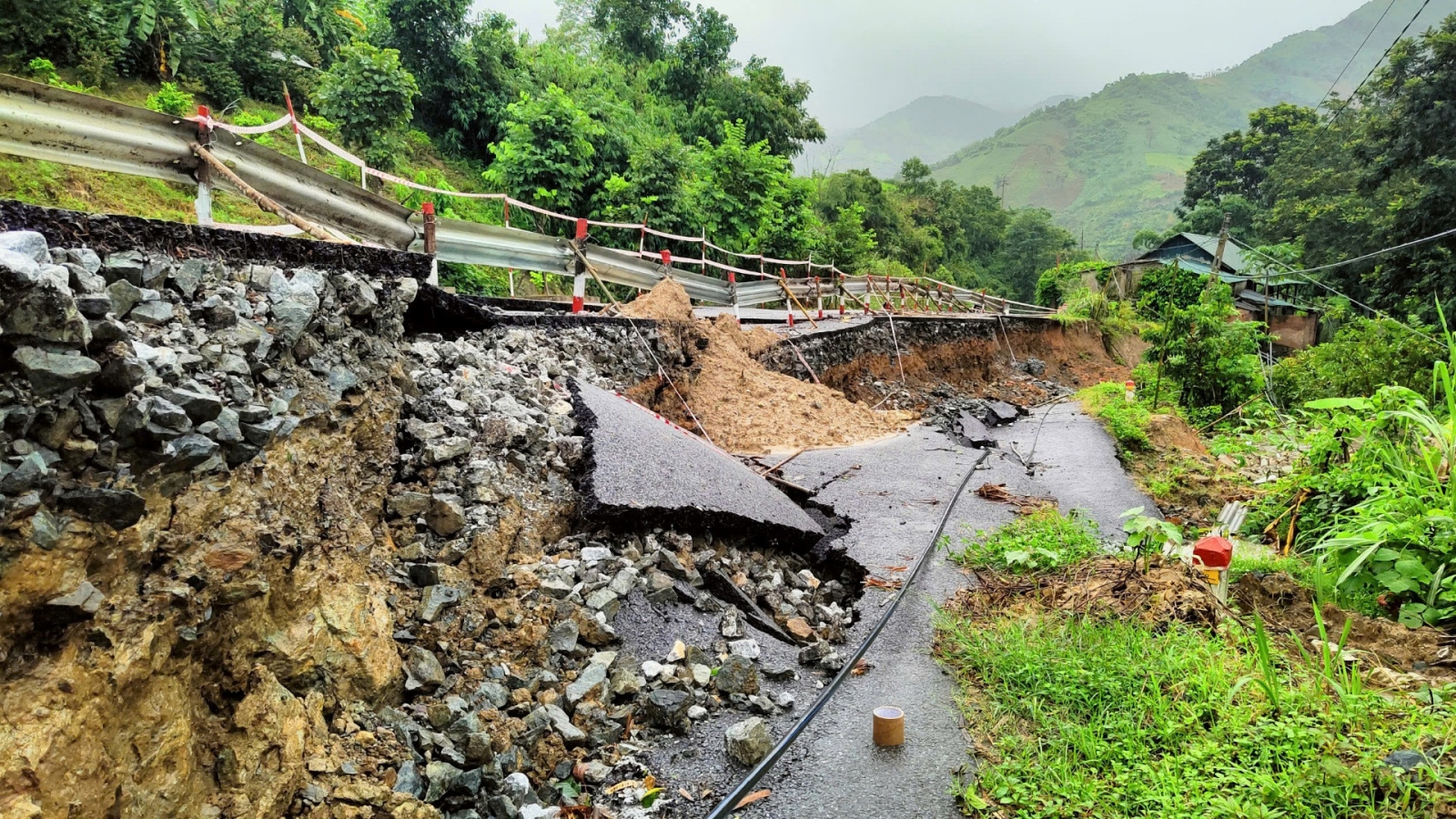
Slides: Masses of soil and rock move downhill along a distinct slip surface. This is one of the most common types in hilly and mountainous areas with steep slopes.
Debris Flows: A fluid mixture of mud, water, rocks, and vegetation rushes downhill like a powerful torrent. This type is extremely dangerous due to its high speed and ability to sweep away entire houses, bridges, and other infrastructure.
Creep: The very slow movement of surface soil, sometimes occurring at a rate of only a few millimeters per year. Although it does not usually cause immediate loss of life, it can gradually damage building foundations and cause utility poles to tilt over time.
Rockfalls: Large rock fragments break away from steep cliffs and either fall freely or tumble downhill. This often occurs after periods of frost or heavy rainfall, which can cause cracks to develop in the rocks.
3. Causes of Landslides: Natural Factors or Human Activities?
Landslides result from a combination of interacting factors. Understanding their causes will help us develop more targeted and effective prevention measures.
3.1. Natural Causes
Heavy and Prolonged Rainfall: This is the primary trigger. Rainwater seeps deep into the ground, increasing the weight of the soil mass and reducing friction between geological layers.
Terrain Slope: Mountainous areas with slopes exceeding 25 degrees are generally considered to be at high risk of landslides.
Weak Geological Structures: Areas with multiple clay layers or heavily weathered rocks are more likely to become unstable when exposed to water.
Earthquakes: Even minor seismic tremors can disrupt the cohesion between masses of soil and rock on elevated slopes.
3.2. Human-Induced Causes
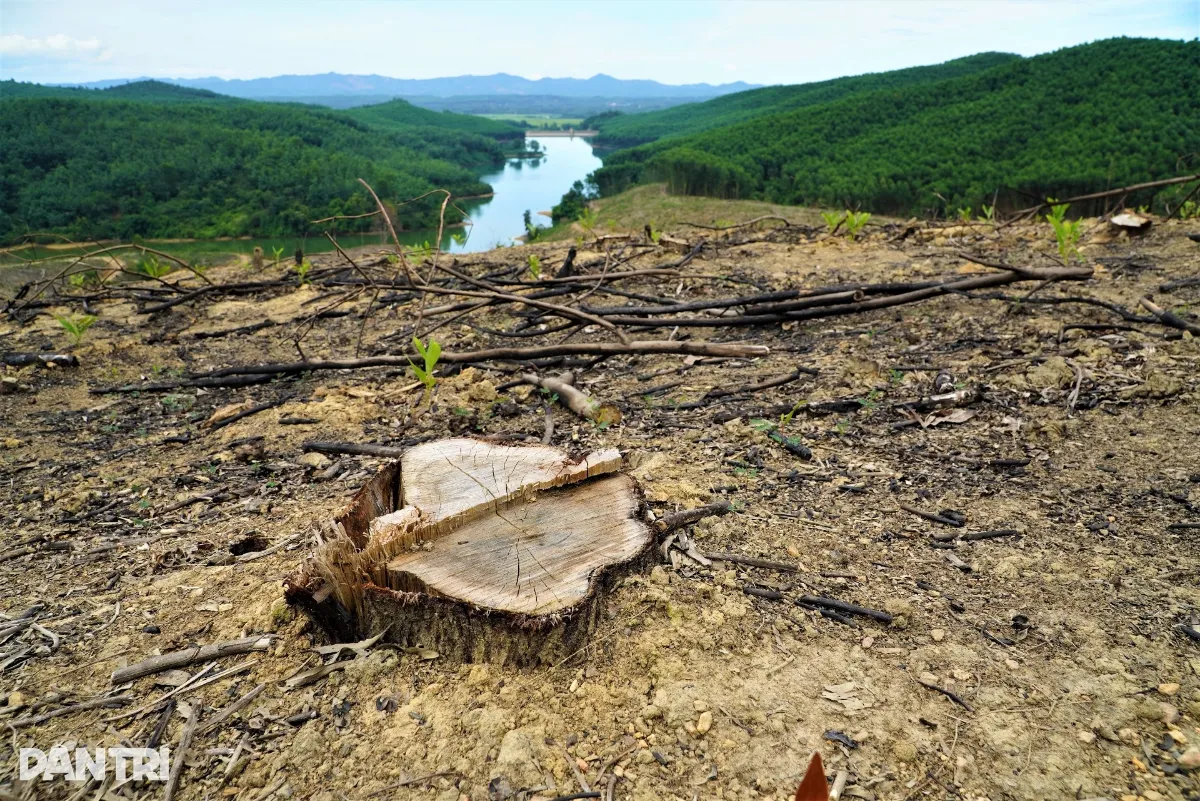
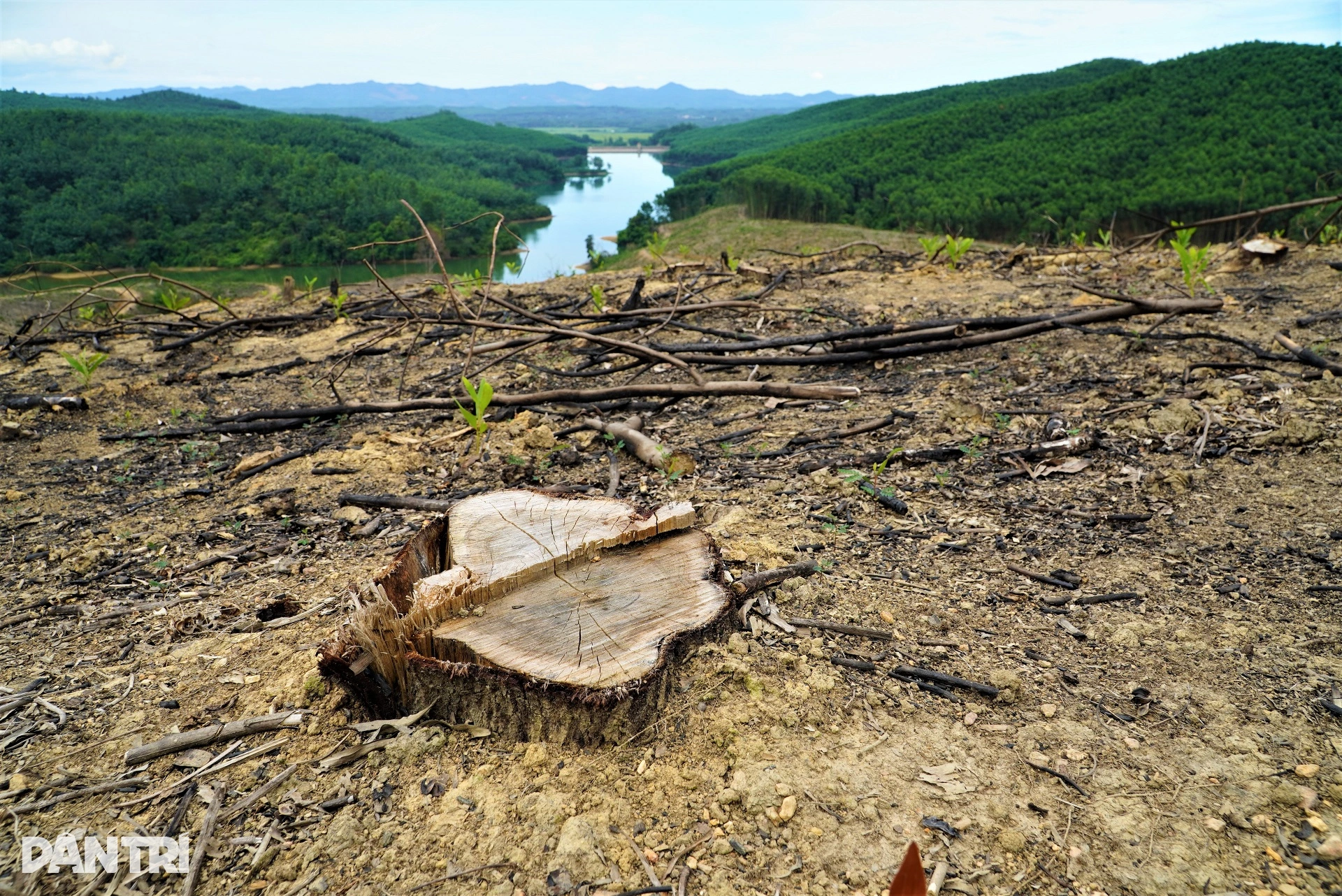
Deforestation of Protection Forests: The roots of natural forest trees intertwine to form a network that holds topsoil in place and absorbs groundwater. When forests are replaced by shallow-rooted industrial crops or cleared land, this natural protective barrier disappears.
Slope Cutting and Mountain Excavation for Road Construction: Cutting across the base of natural slopes to build infrastructure without appropriate engineering reinforcement measures, such as retaining walls or stone embankments, removes the support that stabilizes the soil mass above.
Unsustainable Agricultural Practices: Excessive irrigation on slopes or the cultivation of plants with limited soil-retention capacity can increase the risk of landslides.
4. Five Critical Warning Signs of an Imminent Landslide
Landslides can occur within seconds, but warning signs often appear hours or even days beforehand. Carefully observing the following five signs could save lives:
Unusual Cracks in the Ground and Structures: The appearance of curved cracks on hillsides, house yards, or asphalt roads. In particular, if cracks in house walls or foundations begin to widen, this may indicate that the underlying ground is shifting.
The "Walking Trees" Phenomenon: Rows of trees, utility poles, and fences around sloping areas suddenly begin to lean toward the valley. This may indicate that the underlying soil layers are moving downhill.
Unusual Changes in Water Sources: Clear stream water suddenly becomes muddy. More dangerously, if a flowing stream suddenly dries up, this may indicate that a landslide upstream has blocked its flow, creating a high risk of flash floods and cascading landslides.
Ground Bulging: At the foot of a slope, if the ground or road surface suddenly begins to bulge, this may be caused by pressure from the soil mass above pushing downward.
Unusual Sounds from Underground: These may include the cracking sounds of breaking tree roots, low rumbling noises from colliding rocks, or faint roaring sounds coming from the mountain.
5. Survival Skills: What Should You Do During a Landslide?
5.1. Before a Landslide Occurs
Closely monitor weather forecasts and natural disaster warnings issued by local authorities.
Proactively evacuate high-risk areas when heavy rainfall continues for more than 24 hours.
Prepare an emergency go-bag containing a flashlight, medicines, dry food, drinking water, and important documents.
5.2. During a Landslide
If You Are Indoors: Leave the building immediately if it is safe to do so. If there is not enough time to evacuate, take shelter under a sturdy table or in a structurally sound corner of the room. Curl into a protective position and cover your head with your hands or a pillow.
If You Are Outdoors: Move quickly away from the path of the landslide. Do not run downhill toward the valley. Instead, move sideways, perpendicular to the direction in which the soil and debris are flowing.
If You Are Driving: Do not attempt to cross a road showing signs of a landslide or rockfall. Stop your vehicle in a safe location, well away from steep cliffs.
5.3. After a Landslide
Stay away from the affected area, as secondary landslides may occur.
Check whether anyone is injured or trapped and immediately notify rescue teams. Do not enter muddy or unstable areas without appropriate protective equipment.
6. Sustainable Solutions for Landslide Prevention
To reduce landslide risks in the long term, we need a coordinated strategy that combines structural and non-structural measures.
6.1. Green Infrastructure Solutions (Nature-based Solutions)
Multi-layered Forest Restoration: Restore natural forests using native tree species with deep taproots. This is one of the most sustainable approaches to maintaining geological stability.
Vetiver Grass – "Biological Concrete": Vetiver grass has an exceptionally strong root system that can grow up to 4 meters deep. Its intertwined roots help hold topsoil in place, prevent erosion, and reduce surface runoff.
Aroforestry Models: Grow fruit trees alongside large timber trees on slopes to generate economic benefits while helping to stabilize the soil.
6.2. Engineering Solutions
Build drainage channels along slopes to prevent excessive water infiltration into the ground.
Install steel mesh, stone embankments, or concrete retaining walls in vulnerable slope areas.
Install early warning systems using sensors to monitor soil moisture and ground movement.
7. Fly To Sky: Taking Action for a Safer Vietnam
Understanding what a landslide is is only the first step in protecting communities. At Fly To Sky, we believe that practical action is the real answer to natural disaster risks.
With experience and dedication in green-focused CSR–ESG projects, Fly To Sky Social Enterprise Co., Ltd. for Charity and Community Development Support, together with the Fly To Sky Charity Group, is proud to offer businesses, organizations, and individuals a comprehensive range of services, from initial concept development to implementation and impact assessment:
CSR–ESG Strategy Consulting for Green Initiatives: Assessing the current environmental situation, analyzing needs, and proposing suitable greening roadmaps aligned with businesses’ sustainable development goals and social responsibilities.
Establishing Nurseries and Supplying Quality Seedlings: Setting up centralized nurseries in accordance with ecological standards and producing a diverse range of timber trees, fruit trees, ground-cover plants, and specialized species suited to different regions.
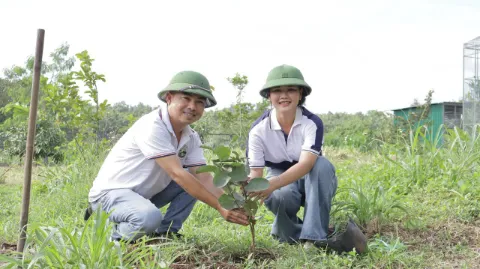
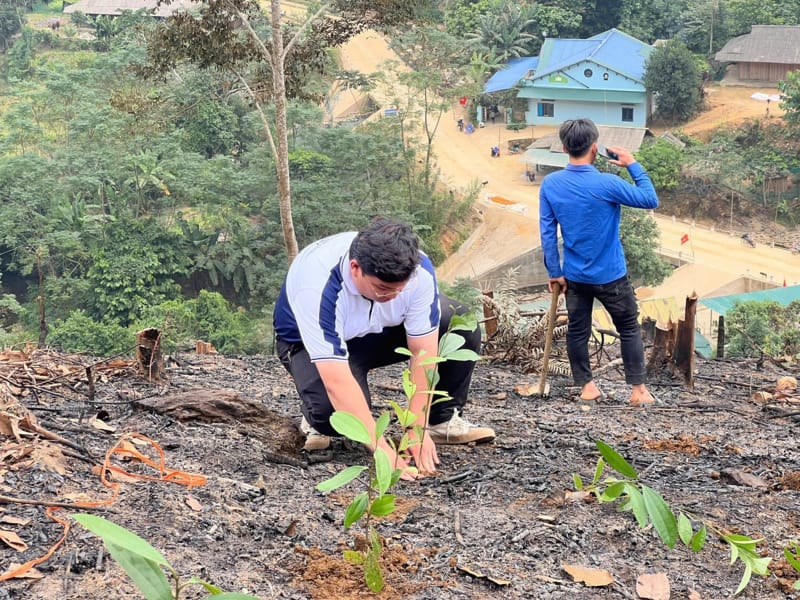
Implementing Reforestation and Tree-Planting Projects: Applying row planting, mixed-species planting, or natural regeneration methods depending on project objectives, from protection and production forests to urban green corridors. Experienced technical staff oversee every stage, from land preparation and care monitoring to growth guarantees.
“Livelihood Trees” and “Green CSR Gifts” Programs: Organizing seedling-gifting events for farmers and disadvantaged families, or providing seedlings as appreciation gifts for employees and partners. These programs connect with community projects to ensure that trees serve as both a source of livelihood and a means of promoting sustainable values.
Urban and Industrial Greening Solutions: Designing and constructing green roofs, vertical gardens, and company gardens; installing smart irrigation systems and microclimate control solutions to reduce the urban heat island effect.
Environmental Monitoring and Impact Assessment (M&E): Using drones, GIS, and modern measurement tools to monitor survival rates, growth rates, and carbon sequestration, while preparing periodic reports to support ESG reporting.
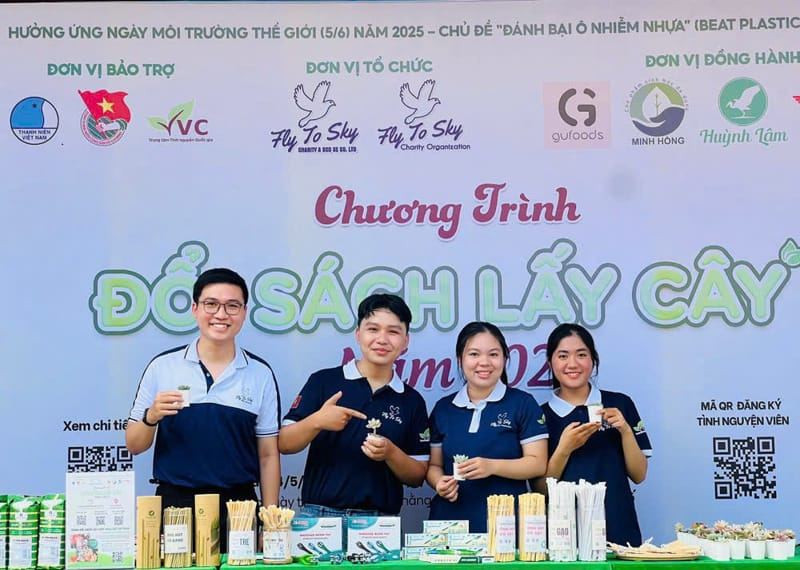
Training and Internal Communications: Organizing workshops, “A Day as a Forester” team-building activities, the “Book-for-Tree Exchange” program, and online courses on nature conservation to foster a green, clean, and beautiful culture within businesses.
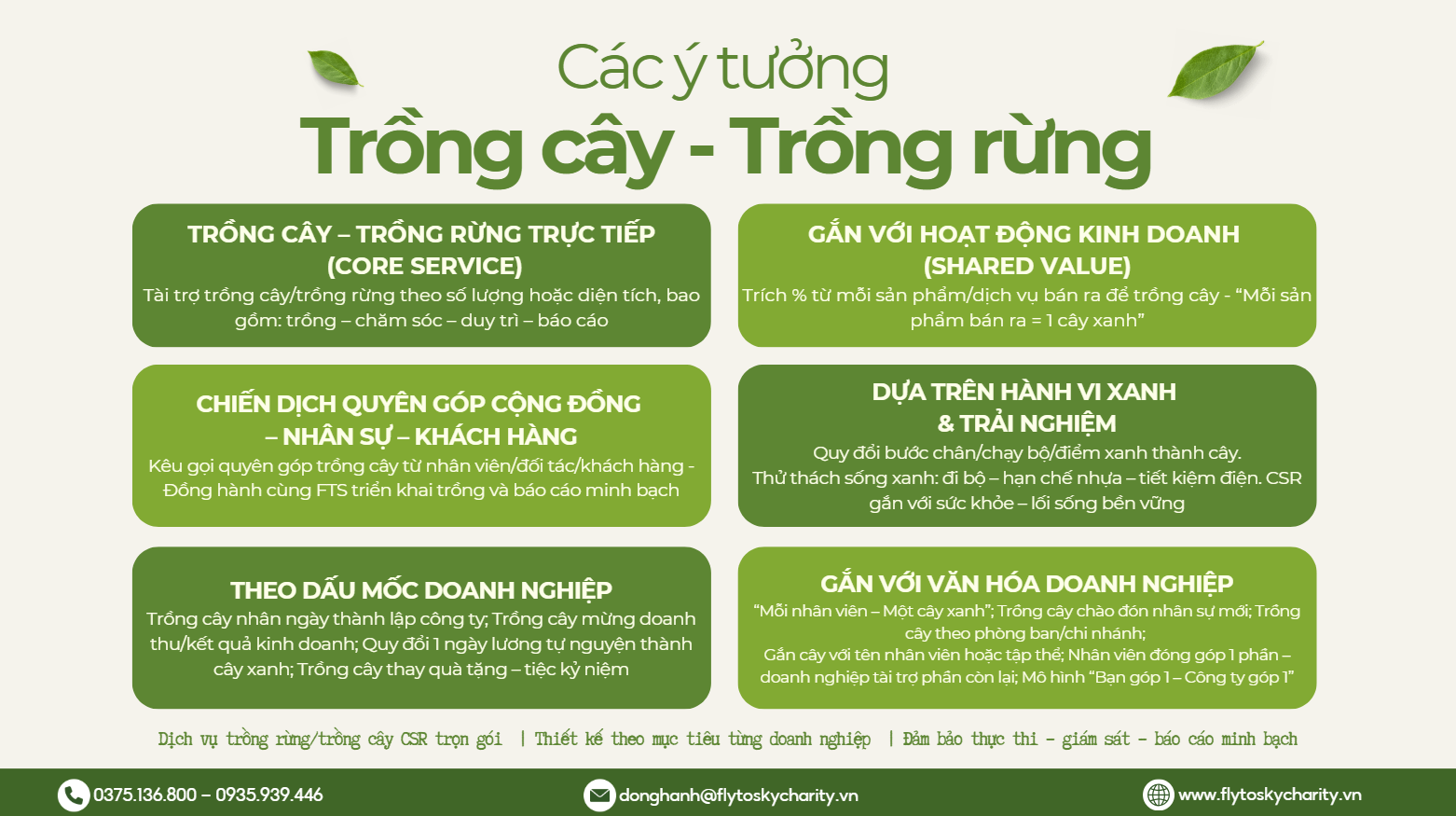
Fly To Sky would like to suggest the following ideas for implementing tree-planting and reforestation activities for businesses:
Direct Tree Planting and Reforestation (Core Service): Businesses sponsor tree-planting or reforestation projects based on a specific number of trees or designated area. This service package covers all stages, including planting, care, maintenance, and periodic reporting.
Integrating with Business Activities (Shared Value): Allocate a percentage of revenue from each product or service sold to a tree-planting fund. For example, a campaign where “Every Product Sold = One Tree Planted”.
Community, Employee, and Customer Fundraising Campaigns: Encourage employees, partners, and customers to contribute to these initiatives. Fly To Sky will work alongside participating businesses to implement tree-planting activities and provide transparent reports.
Green Behaviors and Experiences: Convert activities such as daily steps, running distances, or accumulated green points into actual trees planted. Organize green-living challenges, such as walking, reducing plastic use, and saving electricity, connecting CSR activities with health and sustainable lifestyles.
Marking Corporate Milestones: Plant trees on special occasions, such as company anniversaries, revenue milestones, or the achievement of business targets. Voluntary contributions equivalent to one day's salary from employees can be converted into trees, or tree-planting activities can replace gifts at anniversary celebrations.
Integrating with Corporate Culture: Implement initiatives such as “One Employee – One Tree”, planting trees to welcome new employees, or organizing tree planting by department or branch. Businesses can assign employees' or teams' names to individual trees or adopt a “You Contribute One – The Company Contributes One” model.
Our comprehensive CSR tree-planting and reforestation solutions are tailored to each business's objectives, ensuring practical implementation, monitoring, and transparent reporting.
Join Fly To Sky Social Enterprise Co., Ltd. for Charity and Community Development Support and the Fly To Sky Charity Group in “greening” the future. We invite businesses, organizations, and individuals in the community to join hands in protecting our planet through practical action.
Contact us today to receive a tailored CSR–ESG service proposal that aligns with your mission and budget. Together, we can turn every hectare of land into a green lung and every young tree into a source of hope for future generations!
Each project can be customized to suit your business's scale, budget, and objectives. Contact Fly To Sky Social Enterprise Co., Ltd. for Charity and Community Development Support and the Fly To Sky Charity Group for detailed consultation, quotations, and partnership on the journey toward going green and creating sustainable value for communities and the environment.
Fly To Sky is a non-profit charitable system established on September 2, 2018, in Gia Lai Province. It comprises Fly To Sky Social Enterprise Co., Ltd. for Charity and Community Development Support and the Fly To Sky Charity Group. Both are members of the National Volunteer Network under the National Volunteer Center of the Ho Chi Minh Communist Youth Union.
Fly To Sky has full legal entity status and is legally authorized to mobilize, receive, and manage domestic and international resources and funding. It is a pioneer in providing comprehensive community development and corporate social responsibility solutions in Vietnam. With more than eight years of experience and a nationwide network of volunteers and partners, Fly To Sky has built an ecosystem comprising more than 200 programs and 30 community projects across the country. Its activities focus on five key areas: culture and education, community healthcare, economic support and livelihoods, social welfare, and clean energy and environmental sustainability. These efforts contribute to the United Nations' 17 Sustainable Development Goals (17 SDGs) and the vision of “5 ZEROs” for Vietnam's future.
Fly To Sky provides end-to-end services, from strategic consulting, project design, and budget development to event organization, implementation, operation, and impact measurement for community development, charitable, CSR, and ESG programs tailored to the needs of businesses, organizations, and individuals. We also provide CSR/ESG strategy consulting; organize community fundraising and social enterprise campaigns; promote trade and support sustainable livelihoods for vulnerable groups; deliver training and capacity-building in social project management and coordination; connect resources and mobilize and manage domestic and international funding; and support employment connections for vulnerable groups.
With a commitment to transparency, professionalism, and long-term social impact, Fly To Sky is a trusted partner on the journey toward sustainable development for communities.